
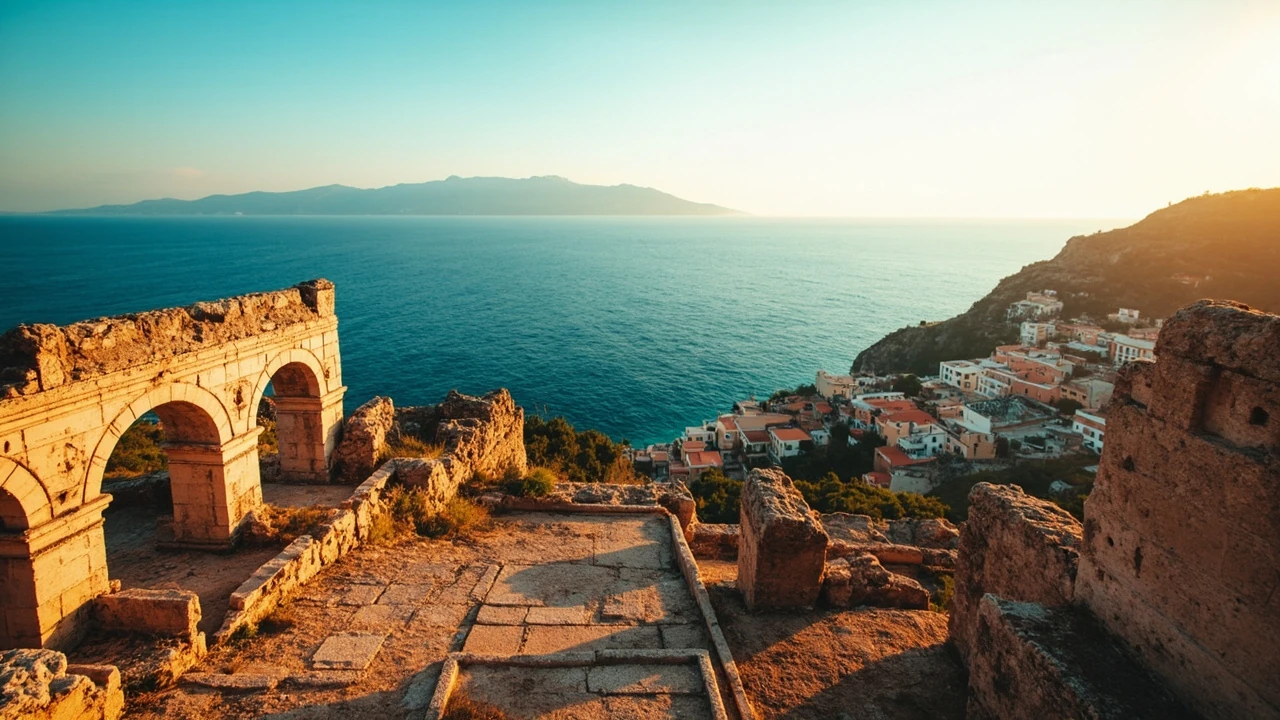
Attractions in Italy: How to Choose the Right Places for Your Trip
A first-time visitor can spend an entire vacation in Italy and still miss the country’s best nature, food, and small-town scenery. The problem is rarely a lack of places to see. It is that famous names such as Rome, Florence, and Venice attract so much attention that they can crowd out the hill villages, regional museums, coastal walks, and lesser-known historic centers just beyond the usual route.
The best attractions in Italy depend on how long you have, where you arrive, and what you want from the journey. Art and architecture may draw you toward Florence, Milan, and Rome, while travelers seeking scenery might prefer the Dolomites, Sicily’s coast, or the trails above the Amalfi Coast. Families often get more value from Bologna, Verona, and Florence, while travelers with strong interests can build a trip around food, archaeology, opera, cycling, or art.
Rather than creating one impossible checklist, use the following guide to match major sights with less obvious alternatives. It organizes the country by region and travel style while keeping the time needed for movement, meals, and unplanned exploration in view. For background on the country’s geography and cultural history, see Italy’s geography and historical regions, which provides useful background for this point.
First choices in Rome and Florence
Rome and Florence are the easiest major cities for many visitors to pair because air and rail connections make them straightforward to combine. They are also very different. Rome layers ancient ruins, imperial monuments, papal architecture, fountains, piazzas, and modern street life across a sprawling city. Florence concentrates Renaissance art, Tuscan food, and a walkable historic center around the Arno River.
In Rome, begin with the Colosseum and the Roman Forum rather than trying to cover every ancient site in one morning. The Colosseum gives you a direct look at the scale of Roman entertainment architecture, while the Forum places it beside the temples, basilicas, and civic buildings that supported daily imperial life. Adding the Capitoline Museums and a walk toward the Pantheon makes the central archaeological story more complete.
Leave room for the city beyond the Forum. The Pantheon is a remarkable feat of ancient construction, but the experience improves when you continue through the streets around Piazza della Rotonda. The Baths of Caracalla and Villa Borghese offer a different balance: the former emphasizes Roman bathing complexes, while the latter provides a large green space for gardens, cycling, and a break from dense traffic.
Vatican Museums and St. Peter’s Basilica deserve a substantial block of time, but visitor access and entry arrangements can change. Check the official site before fixing the order of your day. For many travelers, St. Peter’s Square is also best experienced early or late rather than at the busiest midday period.
Florence is easier to absorb in a compact itinerary. The Uffizi Gallery, Piazza della Signoria, and the Duomo complex introduce the city’s artistic and political history. Seeing Michelangelo’s David at the Accademia adds context, although it also requires another timed visit. If you prefer a broader view, walk from the Duomo toward the Oltrarno, cross the Ponte Vecchio, and end near Piazzale Michelangelo.
Day trips can help you divide Florence’s art from the wider Tuscan landscape. Siena offers a medieval cityscape and the Piazza del Campo; Lucca is known for its intact walls and compact center; and Fiesole provides elevated views toward Florence. These places are rewarding, but each benefits from a minimum half-day rather than a hurried stop between major museums.
| City | Best attractions for a first visit | Allow at least | Practical note |
|---|---|---|---|
| Rome | Colosseum, Roman Forum, Capitoline Museums, Pantheon, Vatican Museums, St. Peter’s Basilica | 3 full days | Use one area per day; walking and traffic can consume more time than expected. |
| Florence | Uffizi Gallery, Accademia, Duomo, Ponte Vecchio, Oltrarno, Piazzale Michelangelo | 2 full days | Reserve major museums and use a second day for neighborhoods and day trips. |
| Siena | Piazza del Campo, Duomo, Torre del Mangia, civic museum | Half day to 1 day | Best combined with Florence or Chianti rather than rushed from Rome. |
A useful rule for both cities is to group attractions geographically. In Rome, the Forum, Capitoline Hill, and Colosseum form one natural walking area. In Florence, the Duomo, Piazza della Signoria, and Uffizi are close enough to connect without repeatedly crossing the city. This approach leaves more time for lunch, a café stop, or a walk along the river rather than turning the visit into a checklist of landmarks.
Milan, Venice, and the attractions of northern Italy
Northern Italy combines major cultural centers with lakes, mountains, and smaller cities that are often easier to explore at a human pace. Milan is more contemporary than its reputation as a fashion capital may suggest. Venice rewards travelers who are prepared for its pedestrian geography. Around them, places such as Verona, Bologna, Mantua, and Lake Como provide worthwhile alternatives.
Milan’s essential sights include the Duomo, Galleria Vittorio Emanuele II, Sforza Castle, and the museum complex associated with Leonardo’s The Last Supper. The Last Supper is a ticketed and time-controlled visit, and refueling at a museum site can affect the museum experience. The Brera area combines a major art gallery with restaurants, historic courtyards, and a lively evening atmosphere. More contemporary interests can take you to the Fondazione Prada, the design district around Tortona, or contemporary galleries in other parts of the city.
Venice is best understood as a group of neighborhoods rather than a single list of landmarks. The Piazza San Marco, St. Mark’s Basilica, and the Doge’s Palace form the obvious historic center. Across the Grand Canal, the Rialto market and surrounding lanes offer a more active commercial district. The Gallerie dell’Accademia, the Peggy Guggenheim Collection, and the Giorgio Franchetti alla Ca’ d’Oro appeal particularly to art lovers, while the Giudecca and outer islands offer a quieter sense of the city.
Venice’s flooding and pedestrian-only layout create practical considerations. Pavement changes, bridges, stairs, and crowded routes can make a short distance feel longer, especially for travelers with limited mobility. A gondola ride offers a distinctive view of the canals, but it is not the only way to see the city. Vaporetto travel and walking reveal street life at a different pace and can cost less.
Verona is an easy choice for opera, medieval architecture, and a day trip from Venice or Milan. Its arena, Piazza delle Erbe, and bridges over the Adige are central attractions. Bologna adds porticoes, a lively university atmosphere, food-focused streets, and the sculptural tradition of the Piazza Maggiore. Mantua offers Renaissance architecture and a slower river setting that is often overlooked.
For scenery, Lake Como, Lake Maggiore, and the Italian Lakes district provide a classic counterpoint to the cities. They work best for travelers who want a scenic pace rather than dense sightseeing. A ferry can reduce road travel between lakes and towns, while regional trains and buses connect the area to Milan.
| Destination | Signature sights and activities | Who will like it | Best base |
|---|---|---|---|
| Milan | Duomo, Last Supper, Sforza Castle, Brera, modern design districts | Art, fashion, architecture, food, and urban design | 2–3 days |
| Venice | St. Mark’s Square, Doge’s Palace, Rialto, Accademia, outer islands | Art, architecture, canals, and distinctive historic streets | 2–3 days |
| Verona | Arena, Piazza delle Erbe, Castelvecchio, Adige river | Opera, romance, history, and easy day trips | 1–2 days |
| Bologna | Porticoes, Piazza Maggiore, university quarter, Quadrilatero food district | Food, street life, and a lively walkable city | 1–2 days |
Venice’s main museums can fill a day, but the city often becomes more rewarding when you reserve time for side streets and neighboring islands. Murano is known for glassmaking, Burano for its brightly painted houses and lace, and Torcello for its historic religious architecture. Check current boat and museum details before departure because schedules and visitor arrangements can vary.
Tuscany and central Italy beyond the postcard
Central Italy is often treated as the route between Rome and Florence, yet its smaller cities and landscapes deserve dedicated time. Tuscany is known for Renaissance art, but its attractions also include thermal towns, medieval hilltop settlements, vineyard landscapes, and routes through the Apennines. Umbria adds Assisi, Perugia, and the green valley of the Tiber. Lazio has ancient history in Rome and Ostia, mountain scenery, and the castle towns of central Italy.
San Gimignano offers a compact skyline of medieval towers, while Volterra is known for Etruscan tombs, sculpture, and a quieter hill-town atmosphere. Lucca is defined by its broad walls and bicycle-friendly streets. Pisa has the famous Leaning Tower, Baptistery, and cathedral complex, but the surrounding Campo Santo and Museo dell’Opera del Duomo add context. A visit focused only on the tower can feel thin compared with the larger artistic and architectural site.
In Umbria, Assisi is closely associated with Saint Francis and the Basilica of Saint Francis, whose interiors include important frescoes by Giotto and his workshop. Perugia’s historic center offers a stronger sense of a working hill city, with an Etruscan heritage, civic palaces, and broad views. Spoleto has a Roman bridge, a hillside acropolis, and the Caveia festival, which draws international attention in June.
The thermal route around Saturnia and Montecatini Terme gives travelers a different reason to visit the region. These are places for mineral water, gardens, walking, and rest rather than a dense sightseeing schedule. The same principle applies to the forested areas of the Apennines, where small trails lead to mountain villages and ridge panoramas.
For travelers who want regional food, the best approach is to identify a few dishes to seek and let markets or specialty shops shape the rest of the day. Siena has particular food traditions, including pecorino cheese and pici pasta. Florence is a strong base for bresaola, truffles, and Tuscan wines, while Perugia provides access to Umbrian olive oils, legumes, and Norcia’s cured meats. This kind of itinerary feels more grounded than simply collecting landmark names from a map.
Naples, Campania, and the attractions of southern Italy
Southern Italy contains some of the country’s most concentrated archaeological sites, dramatic coastlines, and distinctive cities. Naples is the main gateway, but the wider region deserves attention. Pompeii and Herculaneum preserve streets and buildings affected by the eruption of Mount Vesuvius in AD 79. Paestum, farther south, contains Greek temples and painted tombs. Amalfi Coast towns deliver steep scenery, while the Cilento coast provides a less concentrated and often more expansive landscape.
Naples itself is more rewarding when you look beyond its dense monumental core. The historic center contains the Naples National Archaeological Museum, Santa Chiara, San Gregorio Armeno, and a street food culture centered on distinct local specialties. The waterfront runs from the central city toward Mergellina, while the Certosa di San Martino and Castel Sant’Elmo provide elevated views. The Naples underground sites add a different account of the city’s history, but they require separate visits and advance planning.
Pompeii is easy to reach from Naples, but its scale matters. A visit of two or three hours reveals the central domestic and civic areas without turning the day into an endurance test. Herculaneum is smaller and more concentrated, with preserved multistory buildings that offer a useful contrast. For travelers with limited time, choosing one site in depth is better than rushing between both.
On the Amalfi Coast, Positano is known for its colorful cliffside setting, while Amalfi offers a prominent cathedral and harbor. Ravenna, farther north, contains exceptional early Christian mosaics, and the Certosa di Pavia has elaborate brickwork and sculpture. The Palace of Caserta is another major stop for palace rooms and gardens.
Food is not a side activity in Campania. Naples is associated with pizza and pasta, while the surrounding region produces distinctive cheeses, citrus, olive oil, and pastries. The wider area also includes the Sorrento Peninsula, the Vesuvius area, and Campi Flegrei. A thoughtful day can combine archaeology in the morning, a long lunch, and a coastal or lakeside walk later.
Plan transportation carefully because road travel around the Amalfi Coast can be slow and constrained. Ferries, buses, and trains can each form part of a useful network, but schedules should be checked for the date and season of travel. Avoid treating a narrow coastal road as the only method of moving between towns when a water route is available.
| Place | Why it matters | Time needed | Best pairing |
|---|---|---|---|
| Pompeii | Extensive Roman city with streets, houses, baths, and civic buildings | 2–3 hours minimum | Naples and a Campania food stop |
| Herculaneum | Compact archaeological site with remarkably preserved upper levels | 1.5–2.5 hours | Naples, Vesuvius, or a Bay of Naples coastal town |
| Paestum | Ancient Greek temples and painted tombs | 2–3 hours | Salerno or the Cilento coast |
| Amalfi Coast towns | Harbors, cliffside streets, churches, coastal views, and local food | 1–3 days | Naples, Salerno, or a longer southern itinerary |
The Dolomites, Sicily, and island attractions
Italy’s landscapes are not merely a backdrop to its cities. The Dolomites provide a distinct category of attractions involving trails, passes, lakes, rifugi, and panoramic viewpoints. Sicily combines Greek, Roman, Baroque, and medieval sites with active volcanoes, coastal scenery, and strong regional food traditions. Islands such as Ischia, Capri, Elba, and Sardinia give travelers alternatives to crowded mainland itineraries.
The Dolomites are particularly suitable for active travelers. Popular areas include Val Gardena, Cortina d’Ampezzo, Val di Fassa, and the surrounding valleys. Summer visitors can use high trails for broad views of pale limestone peaks, while winter brings skiing and a different set of mountain villages. Cable cars and chair lifts can reduce the physical effort required, although they also affect how and when a trail should be approached.
Do not judge a Dolomites hike only by distance. Elevation change, weather exposure, trail conditions, and the availability of seasonal transport can matter more than the listed kilometers. The Via Alpina provides multi-day walking routes, but day hikes can be just as rewarding. Check local trail information and plan for changing mountain conditions rather than relying only on a general itinerary map.
Sicily offers a wider mixture of experiences than a quick visit to Palermo or Taormina can suggest. Palermo combines markets, churches, Norman palaces, and archaeological collections. Agrigento contains the Valley of Temples, a concentration of Greek ruins in a striking rural landscape. Syracuse and Noto cover Greek history and Baroque architecture, while Etna provides access to one of Europe’s notable active volcanoes. Coastal stops can add Marzamemi, the Noto coast, or the mountain towns above the southeastern coast.
Ischia has thermal springs, gardens, Aragonese castles, and a more relaxed atmosphere than the nearby Amalfi Coast. Capri is visually striking but has limited space for travelers who want to experience local everyday life. Elba offers beaches, cycling, and Napoleonic history. Sardinia is best known for its varied coastline, archaeological sites, and rural landscapes; a road trip can be more rewarding than repeatedly changing bases.
The BBC’s guide to experiencing Italy beyond the best-known cities highlights several of these less-traveled choices, including the Dolomites, Agrigento, regional food traditions, and alternative approaches to well-known cities. It also emphasizes the value of moving beyond the small percentage of the country most consistently visited by international travelers.
Choose attractions around your interests, not a checklist
The most useful itinerary begins with the experiences you are genuinely interested in. A family itinerary, an art-focused trip, and an active outdoor journey may visit the same country but require very different routes. Identify two or three priorities before booking transportation, then place supporting attractions around them.
For art, Rome and Florence provide the strongest concentration of ancient, Renaissance, and Baroque collections, while Milan adds modern design, sacred art, and the Last Supper. Venice supports a more focused art itinerary through major galleries and historic churches. Smaller museums can prevent the trip from becoming exhausting; Bologna’s Pinacoteca, for example, provides an important Renaissance collection away from the country’s largest art centers.
For ancient history, combine a major site with a thematic companion. Rome’s Forum and Colosseum can be paired with Pompeii, while Paestum offers a different Greek dimension. A visit to the Naples National Archaeological Museum can help explain objects and visual details that make the archaeological sites easier to interpret.
For scenery, the correct scale depends on your interests. The Dolomites suit walkers and climbers, the Amalfi Coast serves travelers who want settlements, harbors, and short walks, and the Italian Lakes provide elegant towns connected by water. Tuscany is more pastoral, while Puglia’s olive groves, towns, and Adriatic coast offer a drier and flatter landscape.
Food-focused travelers should avoid planning a day around attractions that close during common meal hours. Alternate active sightseeing with markets, food neighborhoods, and dedicated cooking time. A morning at a market, an afternoon at a small museum, and an evening in a food-focused quarter such as Bologna’s Quadrilatero creates a more satisfying balance than eating quickly between distant landmarks.
Families should account for breaks and keep each day’s central anchor to one or two major attractions. Venice, Bologna, Verona, and Florence offer compact sights, parks, and relatively manageable streets. A family can use a gondola or longer museum session as the memorable activity while treating smaller squares and cafés as flexible extras.
| Travel priority | Best destinations | Suggested itinerary style | What to verify |
|---|---|---|---|
| Art and architecture | Rome, Florence, Milan, Venice | One major museum or monument group per day | Timed-entry rules and closure days |
| Ancient history | Rome, Pompeii, Herculaneum, Paestum, Syracuse | Pair major ruins with one supporting site | Site access, guided-tour times, and transport |
| Food and local life | Bologna, Naples, Sicily, Tuscany | Market mornings, neighborhood meals, one food-focused town per day | Market schedules and restaurant reservations |
| Mountains and hiking | Dolomites, Cinque Terre, Lake Como, Sardinia | Use trail difficulty and transport access as the main filters | Seasonal lifts, trail conditions, and weather |
| Family travel | Venice, Verona, Bologna, Florence | One anchor attraction plus a relaxed meal and rest period | Family admission rules and stroller access |
Plan routes, seasons, and reservations without overpacking the trip
Italy rewards travelers who protect enough time for meals, walking, and local pace. A list of twelve sights can look efficient on paper but become a series of rushed transfers. Before arranging the route, map each attraction to a neighborhood, identify the days when major sites require reservations, and leave at least one flexible block in the itinerary.
Train travel is often the simplest way to connect major cities. High-speed services can shorten journeys between large urban centers, while regional trains reach towns such as Siena, Verona, and Bologna. For coastal and mountain areas, buses, boats, and rental cars may be more useful. Road distances are small on a map, but traffic, mountain roads, and limited parking can turn a short transfer into a long one.
Seasonality changes the experience more than the list of landmarks. Summer heat favors early outdoor visits, shaded cities, and higher mountain trails. Autumn brings softer conditions in many cities, though major events can affect demand. Winter favors Rome, Florence, Venice, Bologna, and Naples for mild weather, while the Dolomites become a ski destination. Spring and autumn often offer useful combinations, but exact conditions and service availability require a current check.
Major museums and churches often use timed entry during busy periods. The Vatican Museums, Accademia Gallery, Uffizi Gallery, and other prominent sites may have different booking systems. Set priorities before searching for tickets, and use official channels rather than resellers when a site provides them. This prevents the most important experience from depending on an unfamiliar third-party website.
At religious sites, modest dress and respectful behavior are expected. Visitors should follow posted rules, avoid touching monuments, and keep noise down. At archaeological sites, much of the appeal lies in the physical fabric of streets, walls, mosaics, and landscapes, so the same care applies there.
Meals are part of the itinerary rather than gaps between it. A light breakfast is common, lunch often begins around 1 p.m., and dinner may begin after 8 p.m. A schedule built around those hours can feel more relaxed than one designed around hotel-room breaks. Tipping is generally not expected, although service in some settings may be handled differently. The same BBC guide provides useful practical context on Italian meal customs, museum visits, regional food, and avoiding excessive overtourism.
Use a simple daily rule: two major attractions, one meal with sufficient time, and one unplanned block. Depending on the city, that might mean a morning museum, an afternoon neighborhood walk, and a late dinner. Such a rule is more sustainable than trying to see every famous site before a train departure.
Frequently asked questions
What are the best attractions in Italy for a first trip?
For a first visit, Rome offers the strongest introduction to ancient history and major religious architecture, while Florence provides a concentrated encounter with Renaissance art. Add Venice if its canals and historic atmosphere appeal to you, or choose Milan for art, design, and a strong food scene. The right combination depends on the length of the trip, but spending at least two full days in each major city produces a better experience than changing bases too often.
Which Italian cities are best for families with children?
Venice, Bologna, Verona, and Florence are practical family choices because major sights are relatively close together and each has parks, squares, interactive museums, or other activities beyond formal landmarks. Plan one main attraction for the morning, a relaxed meal, and an afternoon with something flexible. Advance planning matters when a popular museum requires timed entry or has age-specific admission rules.
How many days are needed to see the main attractions in Italy?
A one-week trip can cover two or three major cities well, while two weeks allow several cities plus a focused regional stay. Rome and Florence deserve at least two days each. A northern and southern combination requires more travel time than a compact itinerary around one region. Adding the Dolomites, Sicily, the Amalfi Coast, or a multi-day island route should reduce the number of city bases rather than simply appending more stops.
What is the best way to visit Rome and Florence in one trip?
High-speed trains connect the cities efficiently, making a direct itinerary more practical than routing through another city. Spend two full days in Rome, two in Florence, and use the remaining time for a day trip such as Siena or Lucca. Book train seats and major museum visits in advance, but keep one afternoon unassigned so a delay or a change in interest does not disrupt the whole schedule.
Are Italy’s smaller towns better than its famous cities?
Smaller towns can offer a more relaxed experience, better value, and stronger access to regional food and landscapes. Places such as Noto, Lucca, Siena, Mantua, Spoleto, and Ravenna each have distinct identities and require more than a brief photo stop. They are most rewarding when you stay long enough to walk beyond the central landmarks and use them as part of a regional route rather than as interchangeable stops.
What are the best outdoor attractions in Italy?
The Dolomites lead for serious mountain scenery, hiking, and climbing, with trails ranging from village walks to high-alpine routes. The Cinque Terre and Amalfi Coast combine coastal paths with villages and sea views. Lake Como and Lake Maggiore suit travelers who prefer gentler scenery, while Sardinia offers coastlines, archaeology, and longer road journeys. Always check trail conditions, seasonal transport, and weather before starting.
Do I need to book museum tickets in Italy?
You should check the official site for every major museum and church you plan to visit. Some attractions use timed admission, while others sell standard tickets or have different booking rules by season. Popular organizations such as the Uffizi Gallery, Accademia Gallery, and Vatican Museums may have complex procedures. Buy only from official channels, record the appointment requirements, and bring any required identification.
What should I do in Italy beyond visiting famous landmarks?
Spend time in a market, attend an evening concert, walk through a residential quarter, take a regional train, or visit a small town focused on one craft or food tradition. A cooking class can explain ingredients and regional methods more directly than a restaurant meal alone. These activities are especially useful in cities where the headline sights already occupy a large share of your time.
Is it better to rent a car for an Italian itinerary?
A car is useful for the Dolomites, rural Tuscany, Sardinia, and other places with limited public transportation. It is less convenient in Rome, Florence, Venice, Bologna, and Naples, where parking can be expensive and restricted. A practical hybrid is to use trains for the major city route and rent a car only for a self-drive portion where it creates real geographic freedom. Do not drive merely to save time between cities that are well served by rail.
How much time should I leave between Italian destinations?
Leave enough time to arrive, find your accommodation, eat, and recover from a full sightseeing day. Although many cities are geographically close, a transfer can involve station walks, local transit, traffic, and luggage. Treat a four- to six-hour journey as a substantial part of the day. For major attractions, aim for a minimum of two hours and add more for the largest archaeological and museum complexes.
Leave a Reply