
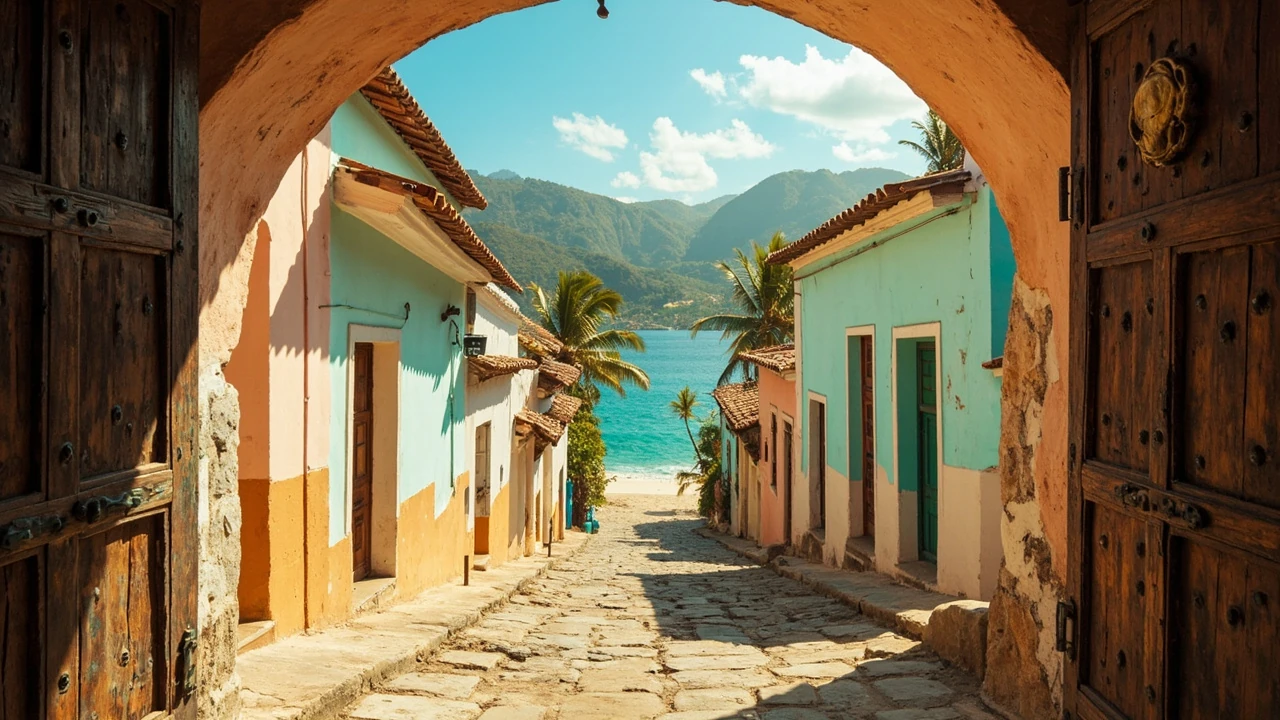
Landmarks in Dominican Republic: how to choose a route that makes sense
A first trip to the Dominican Republic can look simple on a map and still become a week of backtracking. The country combines a dense historic district, resort-heavy coastlines, mountain roads, beaches, sugar-country towns, and several distinct regions that deserve more than a hurried stop. Choosing the right landmarks in Dominican Republic for your interests matters more than trying to collect every famous sight in one itinerary.
Most travelers need to make three decisions: which regions justify the transfer time, how much time they want to spend moving, and whether the trip should emphasize history, beaches, scenery, or a balanced mix. A traveler with four days can see Santo Domingo and the southeast coast comfortably. Two full weeks make the north coast and Cibao far easier to include. Even with more time, splitting the country into regional blocks produces a smoother trip than jumping between distant bases.
This guide focuses on the most useful cultural, historical, coastal, and natural stops, along with the practical decisions that connect them. It does not treat every resort or viewpoint as a must-see. The aim is to build an itinerary that fits the time available, reflects the character of each place, and leaves room for weather, traffic, and spontaneous discoveries.
Start by matching the right regions to your interests
The Dominican Republic is geographically varied, but its main visitor areas divide into several practical clusters. Each cluster has its own rhythm, transportation requirements, and concentration of sights. The table below offers a fast way to choose where to begin.
| Region | Best for | Strongest landmarks and experiences | Typical time to allocate |
|---|---|---|---|
| Santo Domingo and the capital area | History, architecture, food, culture | Zona Colonial, Catedral Primada, Alcázar de Colón, Casa del Almirante, Parque Colón | Two to four days |
| Punta Cana and the southeast | Beaches, water activities, resort escapes | Bávaro, Macao, Saona Island, Capilla de la Santa Cruz area | Three to six days |
| La Romana and Casa de Campo | Resort scenery, golf, coastal scenery, nearby beaches | Altos de Chavón, Casa de Campo, Santa Rosa de Lima Church, city parks | One to three days |
| Puerto Plata, Cabarete, and the north coast | Mountains, history, water sports, slower coastal stops | San Felipe Fort, San Jerónimo, Pico Isabel de Torres, Rincón beach | Three to five days |
| Santiago and the Cibao | Local culture, landscapes, mountain routes | Santiago historic center, Jarabacoa, Salto waterfall, Pico Duarte region | Two to four days |
A good regional strategy is to avoid changing hotels every night. Choose one base in Santo Domingo for the beginning or end of the trip, then stay several nights near the coast or in a scenic inland location. La Romana works especially well as an overnight stop between Santo Domingo and Punta Cana, while Santiago and Jarabacoa can form a separate northern block.
- History-first travelers: Give at least two full days to Santo Domingo and add La Romana if the local urban sights interest you.
- Beach-first travelers: Base in Punta Cana, then use a day trip or overnight stay to reach Macao, Saona Island, or the beaches near La Romana.
- Nature-first travelers: Prioritize Saona Island, Rincón, the Cabarete coast, Jarabacoa’s mountain scenery, and the higher routes around Pico Duarte.
- Families with mixed interests: Pair a short historic-city stay with a longer resort or beach stay. It limits transfers and gives everyone at least one part of the trip that feels familiar.
- Road-trip travelers: Use Santo Domingo as the starting point, then follow the southern coastal route before turning inland toward Santiago.
For inspiration on a different country’s major sites, landmarks in Ecuador beyond the Galápagos shows how a broad destination can be divided into geographically meaningful stops. The same principle applies here: select experiences that belong together rather than chasing a long checklist.
Use Santo Domingo’s colonial center as your historical anchor
The Zona Colonial is the most concentrated place to begin understanding the Dominican Republic’s history. Its narrow streets, restored mansion facades, stone plazas, and church interiors reward travelers who walk slowly rather than racing between attractions. One day gives you a useful overview; two days allow for a slower visit without turning every building into a compulsory stop.
Start at the Catedral Primada de América, formally known as the Cathedral of Santa María la Menor. Its stone exterior is imposing, while the interior reveals the religious and civic importance of the cathedral in colonial life. From there, walk toward the Alcázar de Colón, the best-known surviving residence connected with Christopher Columbus’s early period in the Caribbean. Nearby, the Casa del Almirante and the old city walls help explain the administrative and military role of this area.
Use the harbor side as an orientation point. The Muelle de las Carabelas provides a visible link between the historic center and the maritime journeys that shaped the early Caribbean. Parque Colón is useful for pausing between heavier museum visits, and smaller streets nearby reward attention to balconies, shaded courtyards, and religious details that are easy to miss from a vehicle.
Several compact landmarks can be grouped into a walking route:
- Early morning: Begin around the cathedral and the Alcazar area before tour groups and heat build up.
- Late morning: Continue to the Casa del Almirante and harbor fortifications.
- Lunch period: Pause in the historic center rather than adding a remote excursion.
- Late afternoon: Use Parque Colón and nearby streets for an easy return to the same area.
- Evening: Explore the surrounding streets at a slower pace and return by a registered taxi or other prearranged transport.
The capital also works well for travelers who want to see present-day life rather than only restored architecture. The Alcázar de Colón and the surrounding historic buildings can occupy the first morning, while a separate outing to a modern district, shopping area, or local food stop adds contrast. Keeping the two experiences on different days prevents the colonial district from feeling like a single theme park.
Allow time for heat and for churches that operate around worship schedules. Do not treat a quick entry or an exterior photograph as a guarantee of interior access. Walking shoes and water are more useful than trying to cover every plaza at maximum speed.
Choose the right coastal stops around Punta Cana
Punta Cana is often described as a single beach destination, but the area contains different experiences that suit different kinds of visitors. Bávaro offers the broadest concentration of resorts and services. Macao combines beach scenery with attractions such as caves and elevated viewpoints. Saona Island lies offshore and rewards travelers who want a full-day nature excursion. Capilla de la Santa Cruz in Higüey provides a different kind of cultural stop and can be paired with a southeastern coastal itinerary.
| Coastal option | What it emphasizes | Best reason to include it | Planning consideration |
|---|---|---|---|
| Bávaro | Resort beaches, restaurants, water sports | You want convenience and a wide selection of activities | Choose this base if minimizing transfers matters |
| Macao | Cliffs, coves, caves, coastal viewpoints | You prefer scenery over a full resort day | Traffic and excursion schedules affect the pace |
| Saona Island | Snorkeling, open water, beaches, boat excursion | You want a memorable day on the water | Weather and sea conditions can alter plans |
| Capilla de la Santa Cruz | Religious architecture and local Higüey | You want to pair the coast with cultural context | Coordinate with coastal stops or add an overnight |
| Casa de Campo and La Romana | Polished resort setting, golf, nearby coastal scenery | You want a quieter resort-style base | Some activities are priced for resort guests |
Book excursions based on what you actually want to do. A resort with a beach and a pool may be sufficient for several restful days. Active travelers may prefer a boat trip to Saona Island, a visit to Macao’s coastal features, or a morning focused on snorkeling or paddleboarding. The right choice is not the activity with the longest itinerary; it is the one that matches your comfort with travel time and water conditions.
Because island and coastal excursions depend on conditions, avoid building the entire trip around a single water activity. Keep one flexible day near Bávaro or Macao in case the sea is unsuitable. That buffer also gives you time to revisit a beach, explore without a group, or recover from a demanding transfer.
Those seeking more visual variety may benefit from moving toward the southeast for a night rather than staying entirely in Bávaro. La Romana places you closer to Macao, Bayahibe, and Casa de Campo. This can work as a one-night stop, although the most rewarding version gives travelers an unhurried morning and a late departure.
Look beyond La Romana’s resort identity
La Romana is often introduced through Casa de Campo, its resort landscape, and nearby coastal attractions. The city itself has a compact sightseeing area, and the history of La Romana and its principal urban sights provides useful background on how the city developed from an industrial center into a tourism hub. Those layers make the place more interesting than a quick resort transfer.
Among the central landmarks are Santa Rosa de Lima Church, Central Park, Rotonda Park, and the Monument to the Bible. They can be experienced as a short urban route, with time left for the cafés, shops, and waterfront rhythm of the city. Since the urban sightseeing core is distinct from the resort and beach attractions outside the center, travelers should decide which experience they want before booking their pace.
Altos de Chavón is another prominent stop. Its reconstructed stone architecture, elevated setting, and recreation of a Mediterranean-style village create a striking contrast with the Caribbean coast. It was developed as a visitor and performance complex near Casa de Campo, so it fits neatly into a resort-area day. Check current activity and admission arrangements directly rather than assuming every part of the complex is open or accessible.
A useful La Romana plan separates the two sides of the destination:
- City morning: Visit Santa Rosa de Lima Church and the central parks without treating the resort as part of the same walking circuit.
- Alto de Chavón period: Allow a separate block for the complex, a performance, or a guided visit if one is scheduled.
- Resort or beach time: Use the remainder of the day for Casa de Campo, Bayahibe, or a coastal stop according to your accommodation and interests.
- Late departure: Continue to Punta Cana or return toward Santo Domingo without adding another major city visit.
La Romana works particularly well for travelers who want the Dominican Republic beyond a conventional all-inclusive resort itinerary. Stay long enough to experience the city, however, and avoid treating the resort surroundings as an extension of the historic walking area.
Explore Puerto Plata and the north coast beyond the beach
Puerto Plata provides a different introduction to the country, combining coastal scenery, preserved fortifications, a mountain cable car, and access to the northern interior. The city itself works well as a base for travelers who want several kinds of experiences within one area. Those who only want a beach holiday may move straight to Cabarete or another coastal community instead.
The Fortaleza de San Felipe and Fortaleza San Jerónimo offer a clear historical pairing. San Felipe stands near the waterfront and tells the story of resistance against pirate and colonial-era attacks, while San Jerónimo provides a second fortified site for understanding the coast’s defensive history. Allow enough time to read the site information, walk around the grounds, and consider how the harbor setting shaped each location.
The cable car to Pico Isabel de Torres provides the north’s signature mountain view. The ride itself is part of the attraction, and the elevated lookout reveals how the mountain meets the coastal plain. Conditions can affect visibility, so treat the summit as a worthwhile stop even if clouds reduce the panorama rather than assuming a guaranteed view on every visit.
Farther east, Playa Rincón is a strong choice for travelers seeking a beach with a more natural setting. The drive is scenic, but roads become narrower and more winding closer to the coast. Playa CosIGUA and the Cabarete area offer additional choices for water sports and a more active coastal atmosphere.
Useful north-coast combinations include:
- City history: San Felipe Fort, a waterfront walk, and San Jerónimo Fort on separate or half-day outings.
- Mountain and city: Cable car and Pico Isabel de Torres in the morning, followed by a slower afternoon near Puerto Plata.
- Active coast: Cabarete as a base for kitesurfing, wind sports, or beach time rather than treating it as a major sightseeing stop.
- Remote beach: A longer day toward Rincón, with realistic allowances for the road journey and limited food or service infrastructure.
- Waterfall excursion: The 27 Charcos de Damajagua area as an alternative when travelers want a shaded natural route instead of another beach.
Do not assume that resort staff can arrange every inland experience or that all excursions operate on the same schedule. Verify providers, transport times, age restrictions, and weather requirements locally, especially for children, older travelers, or anyone with limited mobility.
Use Santiago and Jarabacoa for landscape and local culture
Santiago de los Caballeros is the principal city of the Cibao valley and a useful base for a less coast-centered trip. Its center contains several landmarks that can be experienced in a compact walk, including the cathedral, Parque Duarte, and cultural institutions such as the Museo del Cigarro and the Museo de Arte Regional. The cigar museum is particularly relevant to the region’s history, though a visit should be treated as a historical and cultural stop rather than as a shopping stop alone.
The Monumento de Santiago and surrounding public spaces add to the city-center experience. For a short stop, focus on one central walking circuit and leave time for a meal or an unplanned street visit. Santiago is more rewarding when integrated into a longer regional route than when treated as an isolated overnight.
Jarabacoa, roughly half an hour from Santiago, shifts the setting toward waterfalls, wooded hills, river valleys, and outdoor activities. Salto de Jarabacoa is a popular introduction, while the surrounding area supports walks, horseback riding, rafting, and visits to natural pools at suitable operators. The exact experience depends on seasonal water levels and current conditions, so verify what is open and appropriate for the party.
Farther east, the Pico Duarte area offers the country’s highest summit and one of its most demanding outdoor routes. The mountain should not be treated like a casual viewpoint. Permits, guides, weather, fitness, and camp logistics can determine whether a visit is practical. A traveler with limited time can still experience the broader mountain landscape through organized day routes or viewpoints, without attempting a multi-day ascent.
| Santiago-area option | Experience | Best for | Key consideration |
|---|---|---|---|
| Santiago historic center | Cathedral, museums, parks, monuments | Culture and a compact urban day | Can be completed on foot with a slower lunch break |
| Jarabacoa | Waterfalls, hills, river activities | Families, couples, and active travelers | Activity conditions vary with water and weather |
| Pico Duarte region | Highland scenery and serious trekking | Experienced hikers with proper planning | Do not attempt without appropriate local guidance |
| Southern valley route | Scenic drives and smaller towns | Travelers wanting depth beyond the resort circuit | Allow more driving time than map estimates suggest |
The Cibao also rewards travelers who want to understand the country beyond its postcard coast. Agriculture, cattle country, mountain settlements, and local food traditions shape the region. A few days here can provide that context, especially when paired with Santiago’s cultural sites and a gentle Jarabacoa excursion.
Build an itinerary around transfer time, not a list of famous names
A workable itinerary accounts for distance before it adds attractions. The following seven-day sequence is designed for travelers who want a balanced first visit and who are comfortable with several hotel changes.
- Day 1: Arrive in Santo Domingo. Keep the schedule light, settle into the city, and take an evening walk near the waterfront or Zona Colonial.
- Day 2: Colonial Santo Domingo. Visit the cathedral, Alcázar de Colón, Casa del Almirante, fortifications, and harbor area on foot.
- Day 3: Capital surroundings or a relaxed city day. Add a museum, modern district, food experience, or return to the historic center without trying to cross the whole country.
- Day 4: Transfer to La Romana. Stop in the city center, then continue to Casa de Campo or another southeast base. Explore Altos de Chavón late in the day if the schedule is comfortable.
- Day 5: Punta Cana and the southeast coast. Move to Bávaro and choose Macao, a resort day, or a beach excursion based on your interests.
- Day 6: Saona Island or a flexible coastal day. Keep a weather alternative available rather than depending on one excursion.
- Day 7: Santiago via the Cibao. Travel north, stop in Santiago, and continue to the mountain area if the trip includes more than a week.
Travelers with more time can add Puerto Plata, San Jerónimo Fort, Pico Isabel de Torres, and Rincón before continuing toward the Cibao. The north is best approached as a multi-day block. Moving from Punta Cana to San Juan, Santiago, or the mountain region in a single day is possible in principle, but it can consume the day and leave little time for the destination.
For shorter trips, choose one of three focused versions:
- Four days: Two days in Santo Domingo, one transfer day through La Romana, and one or two nights in Punta Cana.
- Seven days: Follow the balanced sequence above, with a north-coast extension if flights are flexible.
- Twelve to fourteen days: Add Puerto Plata, Cabarete, Rincón, Santiago, and Jarabacoa, using La Romana as a coastal stop rather than a rushed detour.
Flights can reduce the need for long road transfers, but they also require careful attention to airport connections, baggage transfer, and total travel time. A flight between regional airports may not save time if the itinerary depends on a long transfer on both ends. Compare door-to-door time, not just the advertised flight duration.
Plan practical details before chasing the scenery
Good preparation leaves more attention for the actual visit. Transportation, entry rules, weather, health needs, and activity conditions can change faster than a destination’s general appeal. Treat the following checklist as a starting point rather than a substitute for current local information.
- Passport and entry documents: Confirm current entry requirements and whether your name must match the reservation documents exactly.
- Medical preparation: Ask a qualified travel clinician about destination-specific health guidance, routine vaccines, and any medication you may need to carry.
- Travel insurance: Confirm medical, evacuation, and activity coverage, especially for hiking, boating, or coastal excursions.
- Money and connectivity: Carry a backup payment method, download maps, and confirm whether your accommodation has reliable mobile service or Wi-Fi.
- Sun and rain protection: Bring reusable water, sun protection, light rain layers, and footwear suited to streets, beaches, or uneven paths.
- Transport: Use licensed or trusted transportation, agree on prices where required, and avoid unscheduled stops in unfamiliar areas.
- Activity plans: Verify whether a guide, permit, reservation, minimum age, or equipment is needed before reaching a remote site.
Heat is a practical scheduling issue rather than a minor detail. Walking tours and exposed coastal viewpoints are easiest early in the day. Beach and water activities often feel more comfortable later, but that leaves the midday for a meal, museum, shaded break, or short transfer. A slow day is sometimes the best way to see more because it reduces fatigue and missed stops.
Keep essential plans flexible. Tropical weather can affect boats, trails, waterfalls, and roads, while city sights are usually easier to adjust. A useful travel kit includes:
- A lightweight rain jacket and a compact umbrella
- Sun hat, sunscreen, and refillable water bottle
- Comfortable walking shoes plus sandals or water shoes when appropriate
- Small cash for places that may not accept cards
- Offline copies of bookings, passports, and emergency contacts
- A dry bag for boat trips and beach days
- Insect repellent for outdoor and rural areas
For weather, note that conditions vary by season, coast, and elevation. The southern and northern coasts can experience different conditions, while mountain roads may be cooler and wetter than the cities. Check a reliable forecast shortly before each excursion rather than relying on a general trip summary from weeks earlier.
Safety planning should be proportionate and practical. Stay aware in unfamiliar places, keep valuables secure, and use reputable transport. Avoid walking alone in dark or secluded areas, and follow local guidance about swimming, boating, and trail conditions. Popular resort areas can still be affected by theft and other property crime, so normal situational awareness remains important.
If children or older adults are traveling, build the itinerary around comfort and accessibility. Confirm whether a cable car, boat, rocky trail, or historic building involves stairs and uneven surfaces. Not every famous viewpoint is equally suitable for every visitor, and replacing one strenuous stop with a longer meal or museum visit can make the trip better for everyone.
Food is part of the journey, but restaurants and opening arrangements can change. Save a few favorites in each city, ask local transport drivers or hosts for current suggestions, and keep one flexible meal option available during transfer days. This is especially useful near beaches and smaller towns where dining may be concentrated in a limited area.
Frequently asked questions
Which city has the best landmarks in Dominican Republic for a short trip?
Santo Domingo offers the strongest concentration of major historical sights for a short trip. La Romana adds resort scenery and nearby coastal stops, while Punta Cana is better for beaches and water activities than for a large historic sightseeing circuit. A brief visit works best when it focuses on one region rather than adding distant day trips.
How many days are enough to visit the main highlights?
Five to seven days works for a first trip that combines Santo Domingo with the southeast coast. Ten to fourteen days allows a more balanced route through La Romana, Punta Cana, Puerto Plata, the north coast, Santiago, and Jarabacoa. The key is to reserve enough time for transfers instead of counting destinations without travel days.
Can I visit Santo Domingo and Punta Cana on the same trip?
Yes. Santo Domingo makes a logical first stop because it contains the country’s richest historic center, and Punta Cana offers the strongest resort and beach selection. Travelers can transfer along the southeast, stopping in La Romana or at coastal points along the way. Overnight in La Romana instead of driving straight through can create a less rushed journey.
What are the best natural landmarks for travelers who dislike resorts?
Strong choices include Saona Island, Playa Rincón, Macao’s coastal scenery, Pico Isabel de Torres, Jarabacoa’s waterfalls, and the Pico Duarte mountain region. Their best format depends on your interests: boating, hiking, swimming, scenic viewpoints, or birding. Access, weather, and required guides should be checked for each site.
Is the Dominican Republic suitable for a family vacation?
It can be, because beaches, resort areas, historic streets, animal-focused attractions, and water activities provide a range of options. The best family itineraries mix a manageable amount of sightseeing with longer periods at a familiar resort or beach. Check age requirements for boats, cable cars, and adventure activities before booking them.
Do I need a rental car to see the main landmarks?
Not necessarily. Santo Domingo is most rewarding on foot, and coastal resort areas can be reached by arranged transport, transfers, or excursions. A rental car becomes more useful for northern beaches, rural routes, and Cibao sightseeing, but it also adds parking, traffic, and mountainous-road considerations. Rent only when the itinerary genuinely includes places not served conveniently by other transport.
How should I choose between Punta Cana, Puerto Plata, and La Romana?
Choose Punta Cana for the broadest resort and excursion selection, Puerto Plata for a more varied northern city-and-mountain circuit, and La Romana for a quieter resort base with access to Casa de Campo and southeastern coastal scenery. Compare the sights you want with the pace you prefer rather than choosing by beach photographs alone.
Can I visit the Dominican Republic during the rainy season?
Yes, but a flexible itinerary is important. Rain and rough seas may affect boat trips, waterfalls, beaches, and mountain roads, while urban museums and indoor attractions can provide alternatives. Build spare time into coastal itineraries, monitor local forecasts, and confirm how excursion operators handle weather cancellations before committing to a fixed schedule.
What is the best way to avoid spending the whole trip in transit?
Use regional blocks, stay at least three or four nights in each chosen area, and schedule no more than one major transfer per day. Avoid planning a coastal excursion, a long drive, and a major sight for the same day. The best landmarks in Dominican Republic become much more rewarding when the traveler has enough energy to explore them slowly.
What should I book before arriving in the Dominican Republic?
Prioritize anything with limited capacity or weather sensitivity, such as international flights, resort accommodation, Saona Island or other boat excursions, mountain guides, and performance tickets. Less flexible urban sights can often be visited on shorter notice, although popular churches and museums may have their own access arrangements. Confirm current details directly with the operator or official site.
Leave a Reply