
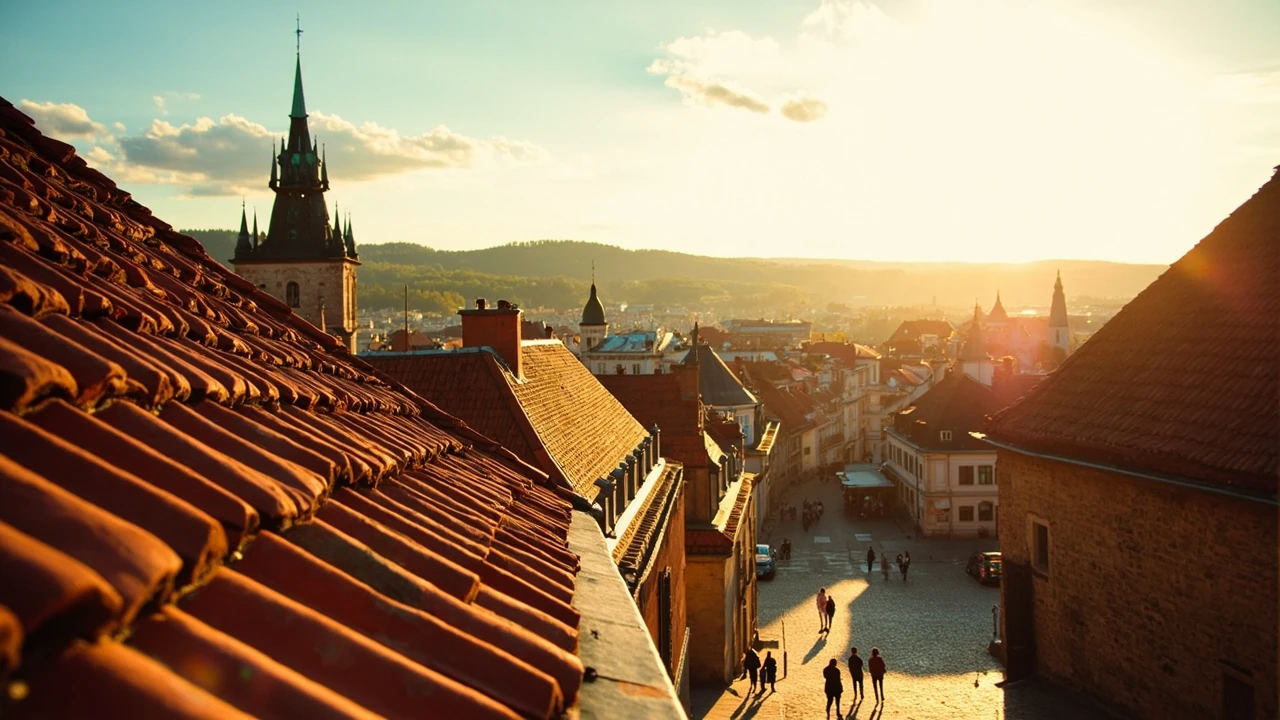
Best time to visit Poland: choose the season that fits your trip
The best time to visit Poland depends on what you want from the journey. Spring brings fresh landscapes and comfortable city sightseeing, summer creates the best conditions for hiking in the Tatra Mountains, autumn offers excellent food-and-history trips with fewer visitors, and winter opens up snowy scenery, Christmas markets, and indoor cultural attractions. No single month works equally well for every traveler.
Warm July and August days are appealing, but they also bring the largest crowds, highest hotel demand, and busiest transport routes. May and September often offer a more balanced combination of weather, availability, and outdoor access. Warsaw, Krakow, Gdansk, Wroclaw, and the southern mountain towns each have their own seasonal rhythm, so the best time for a city break is not necessarily the best time for a hiking or coastal trip.
This guide compares Poland by season, weather, crowds, events, and regional travel conditions. It also explains how to adjust the timing for specific interests such as Krakow’s heritage sites, Baltic coast trips, winter breaks, national parks, and quieter city visits.
Poland’s four seasons at a glance
Poland has a continental climate, which means it can offer distinct seasons rather than a uniformly mild or snowy winter. Conditions vary from the Baltic coast to the Tatras, and mountain weather can change quickly. The central question is not simply which season is warmest, but which one best suits the activities and pace you have planned.
| Season | Typical travel conditions | Best for | Main drawback |
|---|---|---|---|
| Spring | Gradually warming days, variable rain, and melting snow at higher elevations | City sightseeing, gardens, cycling routes, and early mountain access | Weather can change quickly; some mountain facilities open later |
| Summer | Warmest weather, long daylight hours, busy cities, and active mountain trails | Tatra hiking, family holidays, festivals, and outdoor itineraries | Peak crowds and accommodation demand |
| Autumn | Cooler days, colorful landscapes, harvest foods, and generally lighter sightseeing demand | Food tours, historic cities, photography, and quiet cultural breaks | Shorter daylight and occasional rain or early snow |
| Winter | Freezing conditions, snow in many areas, and a strong Christmas and New Year atmosphere | Winter breaks, festive markets, skiing, and indoor city attractions | Cold weather and possible transport disruption from snow |
Spring and autumn are often the safest choices for a first visit because they provide reasonable conditions for both cities and nature. Summer is the strongest option for mountains and outdoor travel. Winter rewards travelers who enjoy snow, holiday traditions, and a slower indoor-outdoor rhythm. The best time to visit Poland therefore depends less on a universal calendar date than on your priority list.
Spring: comfortable cities and the beginning of the hiking season
Late April through June is a strong period for travelers who want to see Poland without the most intense summer demand. Warsaw’s parks and historic center are pleasant to explore on mild days, while Krakow offers a broad mix of architecture, museums, and nearby outdoor excursions. In the south, the lower Tatra trails gradually become accessible as snow retreats.
Spring has two practical advantages. The first is more flexible daytime sightseeing. Summer heat can make long walks through city centers less comfortable, whereas spring usually offers the balance needed for sightseeing on foot. The second is advance availability: travelers can often book central Warsaw and Krakow accommodations more easily than during the summer peak.
The main limitation is that mountain access is seasonal. Some cable cars, chairlifts, and mountain restaurants may not operate on their full summer schedule at the beginning of spring. Hiking in the Tatras also requires checking local trail and weather conditions because snow can remain on higher routes even when the cities are mild. The official trail and destination information should be consulted before setting out.
- Choose late May or June for a balance of mild city conditions and improving mountain access.
- Pack layers because a warm afternoon can be followed by a cold evening, especially in the mountains.
- Include a rain jacket rather than relying on an umbrella alone.
- Allow more time for changing weather when visiting exposed viewpoints or rural attractions.
April can be rewarding for travelers focused on museums, history, and quiet city walks, but it offers fewer dependable mountain options. If you want a broad mix of cities and nature, the latter part of spring is often the best time to visit Poland. If you want skiing, winter is a better fit even when lower elevations are beginning to thaw.
Summer: the season for mountains, coastlines, and long days
June through August gives travelers the most reliable warm weather and the longest useful daylight hours. It is the most popular period for international visitors, and it works particularly well for travelers combining Krakow or Warsaw with the Tatra Mountains, the Baltic coast, Masuria, or the Lake District.
The southern mountains are the clearest summer priority. The Tatra area offers hiking, panoramic viewpoints, and scenic drives, although trail traffic rises sharply in July and August. A walker who values solitude should consider June or the beginning of September rather than the center of summer. A hiker who prefers warm temperatures and longer days may prefer July or August even with busier trails.
Summer also suits Poland’s coast and lake regions. Gdansk and the surrounding area offer maritime scenery, beaches, and easy access to historic towns, while Masuria is built around lakes and boating culture. These destinations can feel more relaxed than Warsaw or Krakow during peak weeks, but accommodation around popular lakes and seaside resorts still fills early.
Cultural activity is at its fullest in summer, with outdoor concerts, city festivals, open-air exhibitions, and seasonal restaurant terraces. Because the weather is usually warm enough to spend much of the day outside, sightseeing itineraries can feel natural rather than compressed around indoor attractions.
| Summer period | What travelers are likely to experience | Who should favor it |
|---|---|---|
| Early June | Increasing warmth with manageable early-summer crowds | Couples and families wanting both outdoor access and value |
| July and August | Warmest conditions, longest evenings, and highest visitor demand | Hikers, festival travelers, and anyone with limited time |
| Late August | Good outdoor conditions with the summer season beginning to wind down | Travelers wanting warm weather with slightly lighter demand |
The disadvantages of summer are predictable: popular hotels sell out, fares and room rates rise, and the same major sights feel busy. Traffic around mountain approaches can also slow down a day that might otherwise look easy on a map. For the best time to visit Poland without major crowds, shoulder-season alternatives are usually more manageable than simply changing to a different week within peak July.
Autumn: atmospheric cities, harvest season, and fewer queues
September and October offer an excellent balance for travelers who want outdoor access without the highest summer crowds. Cities are often more comfortable for extended walking, rural landscapes take on autumn colors, and restaurants have a strong seasonal menu. The weather is less predictable than in summer, so a flexible itinerary is valuable.
September is particularly useful for combining Poland’s cities with the Tatra Mountains. Walking routes are often more accessible than in early spring, and visitors can use daylight hours for trails before returning to town for dinner. Coastal areas also remain useful for travelers who want a beach holiday without the height of summer. The drawback is that some seasonal mountain or resort operations begin closing as autumn progresses.
October has a more atmospheric appeal. Warsaw, Krakow, and Wroclaw are often quieter after the summer rush, making them easier to explore at an unhurried pace. Food-focused travelers can find a strong emphasis on mushrooms, fruit, vegetables, and regional meat dishes. It is also a practical time to visit indoor attractions such as museums when outdoor plans are affected by rain.
Late autumn is less predictable. Fog can improve the mood of a historic street but reduce visibility from viewpoints, while early snow in the mountains may close routes that appeared accessible in a travel guide. If the best time to visit Poland means comfortable exploration, most of September and much of October work well. If the priority is guaranteed mountain weather or a clear view from a high trail, the lower-risk summer period has an advantage.
- Reserve mountain lodging before peak summer prices return in the following year.
- Check whether seasonal restaurants and lifts are operating for your exact dates.
- Keep one flexible day in each city for rain or a spontaneous change of route.
- Ask the accommodation whether heating is included during unusually cold periods.
Winter: snowy scenery, festive cities, and fewer daylight hours
December through February offers a distinct version of Poland. Snow can transform Krakow, Warsaw, and the mountain towns, while Christmas markets create a warm counterpoint to the cold. It is a rewarding season for travelers interested in winter landscapes, festive food, skating, museums, or skiing in the Tatra Mountains.
Mid-December through early January is the most obviously festive part of the season, but it is also a popular period for city breaks. Visitors should expect demand around Christmas and New Year to exceed demand later in January or February. Snow is common but not guaranteed across the entire country at the same time. The Baltic coast can experience a different pattern from the inland south, while lowland cities may have only intermittent snow.
For skiing, treat January and February as more dependable than early December. Mountain operations are subject to weather and snow conditions, so confirming current lift and slope information is essential. Cross-country skiing, snowshoeing, and winter walking can also work outside the highest resorts when conditions are suitable, but travelers should use official local guidance and not underestimate changes in visibility or icy surfaces.
| Winter activity | Most practical period | Planning note |
|---|---|---|
| Christmas markets and festive city atmosphere | December and the first days of January | Book central accommodation early and expect higher demand |
| Downhill skiing | January and February | Verify snow, lifts, and slope operations close to travel |
| Quiet winter city break | Mid-January through February | Plan around shorter daylight and indoor attractions |
| Winter hiking or snowshoeing | January through March, depending on conditions | Use local trail advice and prepare for abrupt weather changes |
Winter is less suitable for a trip centered on long outdoor walks, open-air markets every day, or daylight-dependent scenery. It is also not the moment to assume every mountain road, trail, or transport service runs on the same schedule as in summer. The best time to visit Poland for snow is straightforward; the best time for winter travel overall depends on whether your itinerary values atmosphere or maximum flexibility.
When to visit Warsaw, Krakow, and other major cities
Poland’s major cities have indoor attractions, museums, restaurants, and transport networks that make them practical year-round destinations. Still, the most rewarding time differs by city and by the kind of trip you want.
Krakow is easiest to enjoy across several seasons. Spring and autumn suit travelers who want to walk from the Old Town to nearby neighborhoods, while December adds a festive layer. Summer is lively but busy, particularly around the most famous attractions. Winter is cold, yet the combination of snow, Christmas lights, and indoor museums can be rewarding.
Warsaw offers strong all-season options, including postwar history, art, music, and modern neighborhoods. Spring provides pleasant park and cycling weather, summer fills the city with events and late evenings, and autumn is comfortable for extended walks. Winter brings a more serious holiday atmosphere and the possibility of snow, but daylight is limited.
Gdansk and the Baltic coast are most rewarding from late spring through early autumn, when outdoor waterfront activities are more comfortable. Wroclaw and Poznan are well suited to spring and autumn city breaks because their compact historic centers work well on foot in mild weather. The southern spa towns, including the area around Krynica-Zdroj, have their own seasonal identity, with summer walking weather and winter winter-sports appeal.
- Choose spring or autumn for first-time city sightseeing focused on architecture, museums, and cafes.
- Choose summer for festivals, long evenings, and easy access to nearby outdoor regions.
- Choose December for festive markets and winter atmosphere rather than maximum daylight.
- Choose January or February for quieter city weekends combined with winter activities.
Visitors comparing seasonal trip-planning approaches can also look at how weather changes affect a similarly urban destination. The editorial framework for the best time to visit Portland illustrates why the same month can produce different experiences depending on hiking, food, coastal scenery, or crowd preferences. Poland follows the same principle, even though its seasons and destination mix are different.
Match the timing to festivals, food, and cultural travel
Poland’s cultural calendar can be as important as the weather. Some travelers plan around religious holidays, national commemorations, music events, food traditions, or the Christmas season. Dates move according to the calendar, so verify the current dates and local event arrangements before booking nonrefundable travel.
Poland’s Christmas and New Year period offers the strongest festive atmosphere, particularly in Krakow, Warsaw, Gdansk, and Wroclaw. Markets typically feature regional food, crafts, lights, and performances, although operating dates and opening times can vary by location and year. If a market is the reason for the trip, confirm that it will be open for the dates you plan to visit.
Religious observances also shape the rhythm of the year. The history of Christianity in Poland is visible not only in cathedrals and churches but also in public holidays, pilgrimage routes, and local traditions. One well-documented example is Billy Graham’s documented 1978 visit to Poland, which included preaching in Warsaw, Poznan, Katowice, Krakow, and other cities and reflected a significant period of cooperation among Christian denominations. Modern travelers interested in religious history may find church architecture and commemorative sites more rewarding at particular times of the liturgical year.
Food-focused trips often work especially well in autumn and winter, when seasonal dishes become part of the dining experience. Outdoor tables are most comfortable from late spring through early autumn. Spring also brings a fresh visual quality to markets and rural routes, while summer offers the widest selection of terrace dining and temporary food events. If festival timing is more important than temperature, structure the trip around the event first and add flexible days around it.
Poland also has a history of large political and religious events that can coincide with commemorative programming. Visiting for an anniversary or anniversary-related event requires much earlier planning than an ordinary leisure trip. Some observances are solemn, others educational, and still others include public access. Event organizers and official cultural institutions should be the source for current programming.
How crowds, prices, and transport affect your choice
Demand is one of the strongest reasons to avoid treating one month as automatically better than another. The summer peak raises hotel demand in the biggest cities and the most attractive mountain areas. The December holiday period has a similar effect around Christmas and New Year. Events can also create short booking spikes in a city even when the rest of the country remains quiet.
Travelers with flexible dates can compare several adjacent weeks rather than a single month. For example, the first half of June usually offers a more manageable transition into summer than the middle of July, while late September may preserve useful outdoor conditions after the school-holiday rush. In winter, the first week after the holiday period often has more availability than the days immediately surrounding New Year.
Long-distance rail and domestic air travel are also easier when a trip does not coincide with the busiest holiday windows. However, a shoulder-season bargain may not help if the main purpose of the trip is a mountain lodge, a particular guided tour, or an event with fixed dates. Availability and activity fit should take priority over a small price difference.
Many travelers make the mistake of saving money on a shoulder-season flight and then spending it on a peak-season hotel. A better comparison includes the full trip: accommodation, local transport, tours, meals, and the activities you most want to include. The best time to visit Poland for value is often a date range that avoids the most concentrated demand without forcing you into a season that does not fit the itinerary.
- List the two or three experiences that would make the trip worthwhile.
- Check whether those experiences operate in spring, summer, autumn, or winter.
- Compare travel dates on both sides of the busiest period.
- Add total trip costs before choosing the dates.
- Leave one or two flexible days for weather or transport adjustments.
Build a balanced itinerary by region
A well-timed Poland itinerary often moves between different types of places rather than concentrating every day in the largest cities. Warsaw and Krakow provide major historical and cultural sights, smaller cities offer easier-paced urban days, and the coast, lakes, and mountains supply the landscapes that make Poland more varied than a city-break guide suggests.
A spring itinerary might combine several days in Warsaw, an architecture-focused stay in Wroclaw, and a short visit to the Tatras once the lower routes are reliably open. An autumn trip could pair Krakow with a food-focused stop, the Baltic coast, and a quieter city stay in Poznan. A summer journey has more room for long hikes, lakes, and outdoor touring. A winter route works best when every transfer is timed around limited daylight and potential snow.
| Trip priority | Most suitable period | Planning strategy |
|---|---|---|
| Major cities and museums | April through June, September, and October | Pair flexible city days with indoor activities for poor weather |
| Tatra Mountains and hiking | June through September, with winter for snow sports | Check route and lift conditions; avoid assuming every season is equivalent |
| Baltic coast | Late May through September | Add sheltered city days because coastal weather can be changeable |
| Lake district and boating | May through September | Confirm seasonal services and reserve water-based activities |
| Christmas and winter atmosphere | December | Verify market dates and book accommodation early |
| Skiing and snow-covered scenery | January and February | Check current mountain operations and build in weather buffer days |
Allow enough time for travel between distant regions. A single trip that includes Warsaw, the Baltic coast, and the Tatra Mountains may spend much of its duration on trains or roads. It can still work, but two longer stops are usually more restful than a checklist of three distant bases. The best time to visit Poland is also the time when you can travel at a comfortable pace rather than rushing between seasonal highlights.
A practical month-by-month decision guide
Here is a condensed way to choose a departure window based on the priorities most travelers bring to Poland.
| Month | Best use | Book early for | Watch for |
|---|---|---|---|
| January | Quiet winter cities, skiing, and seasonal atmosphere after the holidays | Holiday-period lodging if arriving in the first days of January | Short daylight, ice, and variable mountain conditions |
| February | Snow sports, museums, and less crowded winter weekends | Popular mountain accommodation and holiday weekends | Cold weather; allow flexible transport plans |
| March | Quiet cultural travel and a gradual transition toward spring | Major-city events or Easter-period travel | Mixed conditions and lingering snow at higher elevations |
| April | City culture, gardens, and peaceful spring sightseeing | Any event-specific tickets and central Warsaw or Krakow rooms | Unsettled showers and limited early-season mountain services |
| May | Longer days, outdoor touring, and improving mountain access | Memorial Day and Pentecost travel dates | Later mountain openings and occasional cool spells |
| June | Nearly ideal balance of warm weather and manageable crowds | Late-June holidays, popular cabins, and major events | Increasing demand and occasional summer storms |
| July | High mountain access, festivals, and long outdoor days | Everything in major cities and the Tatras | Peak crowds, heat, and higher prices |
| August | Late-summer travel, families, and outdoor sightseeing | Late-summer holidays and family apartments | High demand and possible heat in city centers |
| September | Mountains, coast, and outdoor sights with lighter summer demand | Early-September city stays and special events | Shortening days and changing weather |
| October | Food, history, photography, and quiet city breaks | Central lodging for early October and event dates | Rain, fog, and early mountain-season closure |
| November | Quieter culture-focused travel and pre-holiday city atmosphere | Any Christmas-market tour or event dates | Dim weather, limited mountain services, and short days |
| December | Festive markets, winter scenery, and Christmas traditions | Central accommodation well before the holiday period | Peak domestic travel demand and early snow disruption |
The clearest all-purpose choices are late May through June and September through the first part of October. July and August are best for maximizing warm-weather and mountain access. January and February are best for winter sports. December is the strongest choice for festive atmosphere. Choose based on the trip you want, not on a claim that one season is universally best.
Frequently asked questions
What is the best time to visit Poland overall?
For most travelers, late May through June or September offers the best balance of pleasant sightseeing weather, outdoor opportunities, and manageable crowds. Late spring can still have variable weather, while autumn brings shorter days and less reliable mountain services. The right choice still depends on whether summer warmth, skiing, Christmas markets, or quiet cultural visits matter most.
When is Poland cheapest and least crowded?
Demand usually eases after summer, with the first weeks of October and the period between Christmas and New Year often offering more choice. Early January can also be quieter than the surrounding festive weeks. However, reduced demand does not eliminate weather risks, and popular mountain lodging or accommodation near specific attractions can still be limited. Compare the total trip cost rather than the hotel rate alone.
What is the best month for hiking in the Tatra Mountains?
July and August provide the most established warm-weather hiking period, while June and September can be excellent for travelers who prefer fewer visitors. Conditions still depend on elevation, snow, storms, and trail status. Check current local guidance before every major hike, even during the main hiking season. Winter changes the activity from summer hiking to snow sports rather than simply adding snow to the same route.
Is Poland a good winter destination?
Poland can be a strong winter destination for Christmas traditions, snow-covered historic cities, skiing, and indoor cultural attractions. The tradeoffs are cold temperatures, short daylight, and possible transport disruption after heavy snowfall. If you choose winter for a festive city break rather than skiing, a mid-January to February visit may provide a calmer atmosphere than the December holidays.
When should I visit Krakow for the least crowds?
Late September and much of October are often calmer than the summer peak, while January and February offer a quieter winter alternative outside the Christmas and New Year period. The best time to visit Poland for quiet Krakow sightseeing depends on whether you want mild outdoor walking or winter atmosphere. Spring brings attractive gardens and longer days, but it also brings a noticeable increase in activity.
Is summer too crowded in Warsaw and Krakow?
Summer is busy, but it is not the only practical season. Crowding is most noticeable around the best-known historic attractions, popular weekend periods, and major accommodation areas. Earlier or later June and the first half of September can provide a middle path. If your dates are fixed, book lodging first, plan major sights early in the day, and accept that popular restaurants and transport routes will be busiest at peak hours.
Can I visit Poland in December for the Christmas markets?
Yes, and December is the best month if festive markets are a central priority. Polish cities are known for seasonal Christmas markets, regional food, lights, and public decorations, but exact operating dates and arrangements change from year to year. Confirm the calendar for each city before booking. Reserve accommodation early because domestic and international demand rises sharply before Christmas and New Year.
What should I pack for Poland in spring and autumn?
Pack layers, a waterproof outer shell, comfortable shoes, and something warm for the evening. Spring and autumn can feel mild in the afternoon but cold when the sun goes down, especially in the mountains and during unsettled weather. Spring may also retain snow at higher elevations, while autumn can bring fog and rain. A compact umbrella is useful in cities, but a waterproof jacket is better for hiking.
How far ahead should I book a Poland trip?
Book the most important accommodation early if traveling in July, August, around Christmas, or during a major event. Rail tickets and popular mountain cabins may also have limited availability. A flexible shoulder-season trip usually needs less advance planning, though holiday dates and festival travel still require care. Leave some time between bookings and travel for weather-related changes, especially in the mountains or during winter.
What is the best time to visit Poland with children?
June through August is easiest for families who want outdoor time, pools, biking, and longer daylight hours, but school-holiday weeks are busy and expensive. September often works well for older children who can enjoy both city attractions and hiking without the highest summer heat. Winter suits families focused on festive cities and snow play, provided everyone is prepared for cold weather and short afternoons.
Can one season cover both cities and the mountains?
Yes, but the best time to visit Poland for both depends on your tolerance for weather uncertainty. Late May, June, and September provide the strongest compromise because city walks remain comfortable and many lower mountain routes are accessible. Winter is better for skiing and snow scenery, while midsummer is best when dependable warmth and long days matter more than low crowds. Build a buffer into mountain days rather than placing them immediately before a flight or connection.
Which Polish cities are easiest to visit outside the peak season?
Warsaw, Krakow, Wroclaw, Poznan, and Gdansk all work year-round because they contain museums, historic sites, restaurants, and indoor attractions, but demand and atmosphere shift with the season. For a first visit that includes a large range of cities and landscapes, reserve two bases rather than racing between distant regions. A comparison of city size and neighborhood culture can be found in the site’s guide to Moscow, Russia, beyond Red Square, which highlights how location and itinerary design can change the pace of a major urban trip.
What should I do before finalizing the dates?
Check the dates of events, the operating calendar for every planned mountain lift or attraction, holiday and school-break dates, and the current transport situation for your arrival and departure days. If the trip depends on skiing, hiking, or an outdoor market, use that dependency as the deciding factor. Once those essentials align, choose the season that best suits your preferred pace and budget. For most travelers, that final choice will point to late spring or early autumn; for others, it will be the height of summer or the atmosphere of winter.

Leave a Reply