
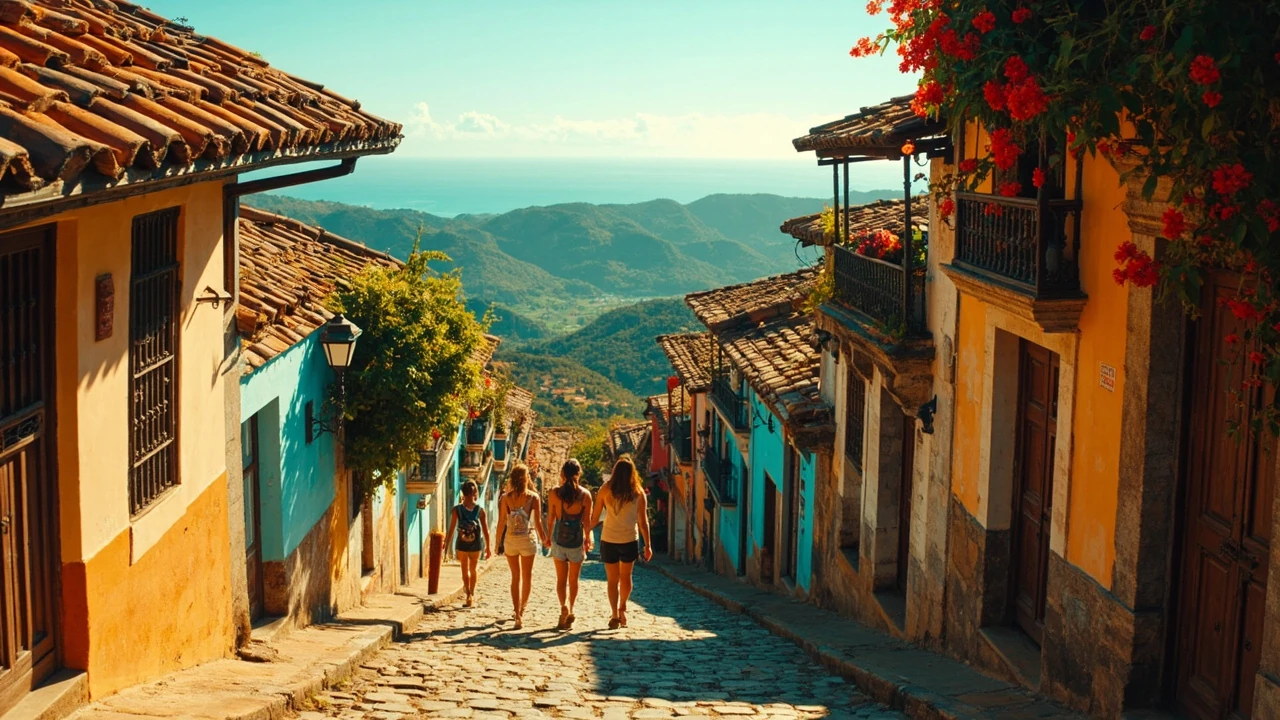
Colombia tours: How to choose the right experience
A Colombia itinerary can look easy to assemble on a map: fly into Bogotá, ride through the Andes, visit the Caribbean coast, and finish with a coffee-country stop. The harder part is deciding which experiences belong in the same trip, how much moving is reasonable, and what an operator should include in the price. A well-chosen tour does more than cover attractions. It matches your pace, protects limited vacation time, and makes the practical details predictable.
The best colombia tours begin with a clear travel priority. History, food, coffee, nightlife, nature, or wildlife may lead your choices. A traveler who wants architecture and museums may prefer Bogotá and Cartagena, while someone seeking mountains and active days may focus on the coffee region, the Cocora Valley, or the wider Andean routes. This guide helps you compare destinations, tour formats, costs, timing, and booking terms without treating every trip as a packaged bargain.
Match the tour style to the trip you actually want
Most colombia tours fall into a few broad categories. The useful question is not which type sounds most interesting, but which type fits your experience, attention span, and tolerance for moving between bases.
- City-based tours concentrate on one urban area and usually work well for first-time visitors who want restaurants, museums, neighborhoods, and short day excursions.
- Regional tours connect two or more destinations. They offer variety but require more transport time and careful baggage planning.
- Nature and adventure tours emphasize hiking, cycling, rafting, kayaking, wildlife observation, or mountain scenery. They demand a different level of fitness and equipment preparation.
- Coffee and culture tours focus on farms, local products, rural scenery, and communities beyond the major visitor centers.
- Coastal tours may cover Cartagena, Santa Marta, the Tayrona area, the islands, or water activities. Heat, humidity, and boat conditions can make comfort as important as the itinerary.
- Self-guided travel gives you control over tickets and timing, but it transfers more responsibility for transport, navigation, reservations, and problem-solving.
For a first trip, a short city stay combined with one contrasting region is often easier to enjoy than a fast route through the entire country. Add places only when the travel day itself is part of the experience. A six-hour transfer can be worthwhile when it replaces a long chain of separate bookings, but it is poor value when it merely adds another bus or flight to an already crowded calendar.
Consider your preferred pace in concrete terms. Independent sightseeing usually means more decisions and more time spent moving through airports, terminals, stations, and traffic. A guided trip can reduce that friction, though it may also restrict spontaneous stops. Neither format is automatically better. The right choice depends on whether you value convenience, local context, freedom, or a tightly paced sightseeing schedule most.
Choose a tour by trip length
| Trip length | Comfortable approach | Main risk |
|---|---|---|
| Three to four days | Choose one city and one nearby day trip or short regional extension. | Adding too many destinations creates travel-heavy days with little time to enjoy them. |
| Five to seven days | Pair one urban base with one contrasting destination, such as the coffee region or a coastal section. | Internal flights and long transfers can consume a surprising share of the itinerary. |
| Eight to twelve days | Build a route with two or three distinct experiences and deliberate travel days. | Weather, road conditions, or missed connections can disrupt a tightly arranged schedule. |
| Two weeks or longer | Use a primary route and add a smaller regional experience with enough flexibility. | Overplanning can lead to fatigue and unnecessary repetition. |
Check the itinerary for overnight arrivals, early starts, and days that require two forms of transportation before deciding that a duration is manageable. A nine-day tour with four transfer days may feel shorter than a seven-day trip based in one area.
Compare Colombia’s main destinations by experience
Colombia is large enough that distance matters. Two destinations may share a country on a map while requiring a substantial journey between them. Before comparing hotels or activities, decide what each stop contributes to the trip.
| Destination | Best for | Planning consideration |
|---|---|---|
| Bogotá | Museums, urban food, history, nightlife, and a useful starting point for central Colombia. | Allow time to adjust to the city’s elevation. Keep the first day relatively light if you are sensitive to altitude. |
| Medellín | Urban culture, outdoor access, cafés, and a relaxed pace in the Aburrá Valley. | Choose between city days and nearby excursions rather than treating every activity as a reason to leave the city. |
| Cartagena | Colonial streets, Caribbean atmosphere, food, and nearby coastal or island experiences. | Plan around heat, humidity, and the possibility that some planned activities depend on weather or sea conditions. |
| Santa Marta and the Tayrona area | Beaches, mountain access, coastal scenery, and a link to the Sierra Nevada region. | Confirm current access requirements, park rules, and transportation arrangements before booking an early outdoor start. |
| The coffee region | Coffee culture, farm visits, rural landscapes, and outdoor activities around Manizales, Pereira, or Armenia. | Distinguish a genuine farm or producer visit from a brief stop at a shop, and allow time for winding roads. |
| San Andrés and Providencia | Island life, marine activities, and a Caribbean setting away from the mainland. | Compare island logistics and flight connections carefully; this is not a simple same-day extension of the mainland. |
| Leticia and the Amazon region | Rainforest landscapes, wildlife-related activities, and a distinctly different eastern Colombia experience. | Understand the length, conditions, and conservation focus of any excursion before adding it to a short itinerary. |
Most travelers should avoid trying to cover every major area. Select a primary destination, add one contrasting region, and use remaining time for depth. If history is your main interest, for example, additional time in Bogotá may be more rewarding than a fast coastal stop. If food drives your choices, a mix of a larger city with a smaller regional base often creates better opportunities than a string of famous landmarks.
Think about what can happen when conditions change. A weather-dependent island activity may need a flexible afternoon. A rural excursion may run later because roads are slower than expected. An urban itinerary offers more substitutes, but popular sites can still require timed tickets or queues. Build in one or two activities that can move without damaging the rest of the schedule.
For travelers also comparing wider regional itineraries, landmarks in Ecuador that go beyond the Galápagos offer a useful reminder that famous wildlife destinations are only one part of a country. The same principle applies in Colombia: the main attraction may anchor the route, but food, local neighborhoods, and regional landscapes often determine whether the trip feels complete.
Plan timing around climate, crowds, and travel days
Colombia’s weather varies by elevation and region, so a national forecast is not enough for planning. Mountain areas can be cool and wet even when the Caribbean coast is hot and humid. Rain can affect trails, roads, and visibility, while dry periods make some outdoor attractions more comfortable. Rather than trying to predict exact conditions months ahead, build an itinerary that remains useful if the weather differs from your expectation.
- Place strenuous outdoor activities when you have enough time to reschedule them if conditions are poor.
- Keep museums, markets, cafés, and other indoor activities available as alternatives.
- Allow a buffer around international flights so a delayed domestic connection does not derail the entire trip.
- Ask the operator what happens when an activity is canceled for weather, access, or safety reasons.
- Check whether festival dates, public holidays, school breaks, or local events affect hotel demand and transportation.
Seasonality differs across the country, so a general recommendation to travel during a particular month can be misleading. The Caribbean coast, Bogotá’s central highlands, the coffee region, and the Amazon each have distinct conditions. A travel professional should explain the regional logic rather than apply one generic “best time” label to the whole country.
Pay special attention to the first and last days. Arriving late can turn a short trip into two rushed days, while a last-minute flight home may be risky if the international itinerary is already full. For a short vacation, an overnight arrival can be productive if the transfer is straightforward. It is less attractive when the flight lands late, the terminal is unfamiliar, and the visitor must find dinner and sleep through the first night in a new city.
Travel days also deserve a category of their own. They can offer a change of scenery, but they should not be mistaken for a full sightseeing day. Consider the route in this order:
- How long is the journey from door to door?
- Does it require a connection, a long transfer, or an overnight stay?
- Will there be free time at the destination?
- Can the schedule absorb a delay without eliminating another activity?
- Is the luggage practical to carry through the transfer?
Build a realistic budget beyond the advertised price
The lowest tour price can produce the highest total cost when essential items are excluded. Compare the complete cost of each option, including international airfare, domestic flights, transfers, meals, tips, optional activities, and time spent in transit. Prices in Colombia can change with exchange rates, demand, season, and local conditions, so use an operator’s quote rather than an old blog estimate as your final budget.
| Cost category | What to compare | Question to ask before booking |
|---|---|---|
| International airfare | Routing, arrival time, checked bags, and connection length. | Does the quoted trip price include airfare, or is it listed separately? |
| Domestic transportation | Domestic flights, scenic routes, shared vans, trains, buses, or private transfers. | Which mode is used, and are the costs included in the displayed total? |
| Accommodation | Room category, location, number of nights, and whether upgrades are available. | How many nights are included, and what is the hotel or lodging standard? |
| Meals | Breakfast, lunch, dinner, dietary accommodations, and snacks. | Which meals are covered on each day? |
| Activities and guides | Admission fees, specialist guides, equipment, and optional excursions. | Which attractions require an additional payment? |
| Service charges | Booking fees, gratuities, taxes, and tips for guides or drivers. | What costs will I be expected to pay on site? |
| Travel protection | Coverage for cancellation, medical needs, delays, and missed connections. | Does the policy cover the specific activities and destinations in my itinerary? |
Value is not the same as the lowest sticker price. A slightly more expensive package may include the domestic flight, a guide, entrance fees, and transfers that would otherwise require separate bookings. Compare like with like and calculate the total before choosing.
Also price your time. A cheap itinerary with frequent changes of accommodation and long waiting periods may waste the vacation you are trying to protect. This is especially important if you have a short work leave, limited vacation days, or a fixed international flight. Convenience has a legitimate cost, but it should be evaluated against the value of the time and stress it replaces.
Budget categories should be honest. Keep a separate allowance for optional activities, meals not covered by the tour, small purchases, and unexpected transport changes. The exact amount depends on your itinerary and current local prices, so calculate it after receiving a written quote rather than relying on a universal daily figure.
Check logistics, safety, and what is genuinely included
A clear itinerary should tell you where you sleep, how you travel, what you do each day, and what the price includes. Vague descriptions such as “explore Colombia” or “seven days of adventure” are not enough for comparing operators.
- Accommodation: Look for the room type, location, check-in time, and number of nights. A property described as “central” may still involve a steep walk or a long ride to planned activities.
- Transportation: Confirm whether moves are by flight, shared vehicle, private vehicle, bus, or boat. Check baggage limits, especially when a road transfer includes a short flight.
- Guides: Establish whether a guide is present throughout the day, at specific stops, or only for certain activities.
- Meals: See which meals are included and whether dietary requests need advance notice.
- Activities: Verify admission costs, equipment, minimum age, fitness requirements, and whether participation can be modified.
- Flexibility: Look for a clear policy when an activity is unavailable, transport is delayed, or a traveler becomes ill.
Safety planning is equally practical. Before departure, check current official travel advice for Colombia and the specific areas on your route. Understand local conditions, keep copies of important documents, use reputable transport, and ask your operator how groups are structured. This is not a reason to avoid the country; it is a reason to avoid relying on vague assurances.
Stay current with location-specific guidance, especially if the itinerary includes remote rural areas, border regions, national parks, or waterways. Advice can change, and conditions in one region may differ sharply from those in another. A knowledgeable local operator should be able to explain current entry requirements for parks and communities, weather-related restrictions, and emergency procedures.
For wildlife and outdoor activities, ask whether the company follows recognized conservation and animal-welfare principles. “Community-based” can describe meaningful local participation, while “ecotourism” is used so broadly that it does not prove much by itself. Look for specific information about visitor limits, habitat protection, local employment, and the treatment of animals.
Colombia also hosts a major professional road race, but that annual cycling event is unrelated to choosing a general travel itinerary. The For additional context, professional cycling race profile provides background on that event for readers whose interest is specifically the sport.
Compare guided and independent travel honestly
A guided tour is most useful when the guide adds context, coordinates access, or saves meaningful effort. It is less valuable if you spend much of the day waiting for a group while barely interacting with the destination. Independent travel is most useful when you have time, comfortable with local navigation, and want to control your own schedule. It is less appealing if local transport is confusing, your trip is short, or you want a specialist to explain a region.
| Question | Guided tour | Independent travel |
|---|---|---|
| How much time is spent in transit? | Usually more structured, although large groups can add waiting time. | Usually more flexible, but transfers may take longer or require more changes. |
| How much local context is available? | A good guide can explain history, food, etiquette, and neighborhood changes. | Interaction with residents and local businesses may be more spontaneous. |
| Who handles disruptions? | The operator usually manages rebooking and transport changes. | The traveler must contact providers and solve logistics independently. |
| How flexible is the schedule? | Group plans usually follow a fixed sequence. | You can extend a good day or change plans when conditions change. |
| What suits this trip best? | First visits, complex regions, limited time, or specialized activities. | Repeat visitors, longer trips, strong planning skills, or a preference for solo exploration. |
Small-group and private arrangements occupy the space between a large coach tour and planning everything yourself. A small group can provide local expertise with more flexibility, but “small” should be defined clearly. Ask for the maximum group size and whether the group changes between destinations. A private guide offers customization but can cost substantially more and still requires a reliable itinerary.
Consider the style of guidance you want. Some travelers value historical depth and structured commentary. Others prefer a driver who knows where to eat, where traffic becomes difficult, and which viewpoints work at a particular time. A good operator should recognize the difference instead of offering the same tour to everyone.
When comparing independent options, map the transport sequence before booking accommodation. Check whether you will need an airport transfer, an intercity journey, and another local transfer within the same day. Also consider what happens if a flight is delayed. Staying near the correct arrival airport or building in an overnight buffer can be more valuable than choosing a slightly cheaper room in a less convenient neighborhood.
Large regions often reward the same deliberate pacing used in other multi-stop countries. The experience of moving across Southern China, for example, depends on distinguishing geographic stops from places that merely look close on a map, as discussed in Southern China and its distinct regional identities. The same principle applies to Colombian routes: distance, regional character, and transport mode can determine whether a stop feels meaningful or simply tiring.
Avoid common booking mistakes
The biggest booking mistake is treating a list of destinations as a complete itinerary. Names on a map do not reveal the transfer time, ticket requirements, local climate, or daily rhythm. A credible plan should answer what happens on an ordinary travel day and why each destination belongs there.
Before paying a deposit, ask for the following in writing:
- How many nights will I spend in each location?
- What specific transportation will connect the locations?
- Which meals, guides, entrance fees, and activities are included?
- What costs are excluded or paid directly during the tour?
- What is the maximum group size?
- What happens if an activity is canceled or a connection is delayed?
- What documents, visas, health requirements, or travel authorizations apply to my nationality?
- What is the cancellation policy, and how are refunds handled?
A second mistake is booking too much detail before confirming the international schedule. International flights can determine which domestic connections are practical and which are risky. Work backward from the departure date, leaving enough time for the return to the international airport. Be especially cautious with tickets that look connected but offer little margin if one segment runs late.
Third, do not confuse a sales brochure with a complete itinerary. Inclusion lists often describe what is available rather than what happens every day. A useful itinerary should identify rest periods, free time, optional activities, and the approximate time devoted to each major stop. The operator should also distinguish included activities from those that can be purchased on site.
Fourth, avoid choosing by destination popularity alone. A famous place can be crowded, weather-sensitive, or less relevant to your interests than a smaller regional experience. The right trip has a balance between a recognizable highlight and enough time to experience the surrounding place.
Finally, review the operator’s identity and customer support. You should be able to identify the company, understand how to reach it before departure, and receive a written itinerary. For a substantial package, confirm whether the company belongs to an industry association or has a recognized accreditation or code of conduct. These signals do not replace due diligence, but they provide useful context.
For a final comparison, place the shortlisted options side by side and score them according to your own priorities. A practical scorecard might look like this:
- Does the itinerary match my main interests?
- Is the total duration reasonable once transfer time is counted?
- Are the group size and pace comfortable?
- Are essential costs clearly included?
- Does the operator provide current, destination-specific information?
- Does the plan include enough flexibility for weather and delays?
- Do I understand every visa, entry, payment, and cancellation condition?
Frequently asked questions
What are the best types of colombia tours for a first visit?
A first visit usually benefits from a focused city experience combined with one contrasting region. Stay long enough in Bogotá, Medellín, or Cartagena to explore beyond a landmark checklist, then choose the coffee region, coast, or another area based on your interests. A tour with several fast transfers may fit someone who values variety more than rest, but it can leave too little time to understand any destination.
How many days do I need for Colombia?
The right duration depends on the number of bases, the pace, and whether you travel independently or with an operator. A shorter trip works best with one primary destination and perhaps one nearby excursion. Longer trips allow more regional contrast, but each additional stop adds transportation and lodging transitions. Count travel days as part of the itinerary rather than treating the total number of calendar days as available sightseeing time.
Should I choose a guided tour or travel independently?
Choose a guided tour when local explanation, easier logistics, specialist activities, or limited vacation time matter most. Travel independently when you want control over the schedule, have enough time to make arrangements, and feel comfortable with transport and navigation. A small-group or private tour can offer a middle path, although it will usually cost more than a standard group package.
Is Cartagena a good choice for a short Colombia trip?
Cartagena works well for travelers focused on colonial streets, food, Caribbean atmosphere, and nearby coastal experiences. It is less suitable as the only base for someone who must visit several inland regions, because adding those destinations creates long journeys. Consider arrival time, heat, humidity, and the availability of flexible activity days when comparing it with other cities.
Can I visit the coffee region on a day trip?
It is possible, but the travel time can limit how much of the region you actually experience. A day excursion may include transport, a farm or producer visit, lunch, and a short scenic stop rather than a relaxed exploration of several communities. Ask how long the complete outing lasts, whether it is suitable for your mobility, and what happens if the road journey takes longer than expected.
What should I ask about meals and dietary needs?
Ask which meals are included each day, whether breakfast is served at the hotel or elsewhere, and which restaurant choices are fixed. If you have allergies or follow a restricted diet, provide the details early and ask how the operator can accommodate them. Also determine whether special meals require advance planning and may involve an additional cost.
Are flights between Colombian cities included in a tour price?
They may be, but only if the itinerary or written quote explicitly includes them. Some packages include selected domestic flights, while others list them as an additional cost. Verify the airline, route, baggage allowance, connection timing, and change policy. Also check how the tour handles a missed domestic connection or a delayed international flight.
How much free time should I request in a Colombia itinerary?
At least some free time is valuable, especially in cities, near active days, and before an international departure. The amount depends on the length and purpose of the trip, but a schedule with continuous transfers and activities from morning through evening leaves little room for unexpected delays, rest, or independent dining. Too much unstructured time can also feel aimless, so balance it with a small number of planned anchors.
What documents and entry requirements should I check before booking?
Requirements depend on your nationality, itinerary, and current regulations. Check official immigration and consular information for entry, transit, passport validity, and any authorization required for the places you will visit. Also confirm airline document rules. Travel advisories and park access requirements should be reviewed again shortly before departure because official guidance and procedures can change.


Leave a Reply