
Singapore street food: what to eat and how to order with confidence
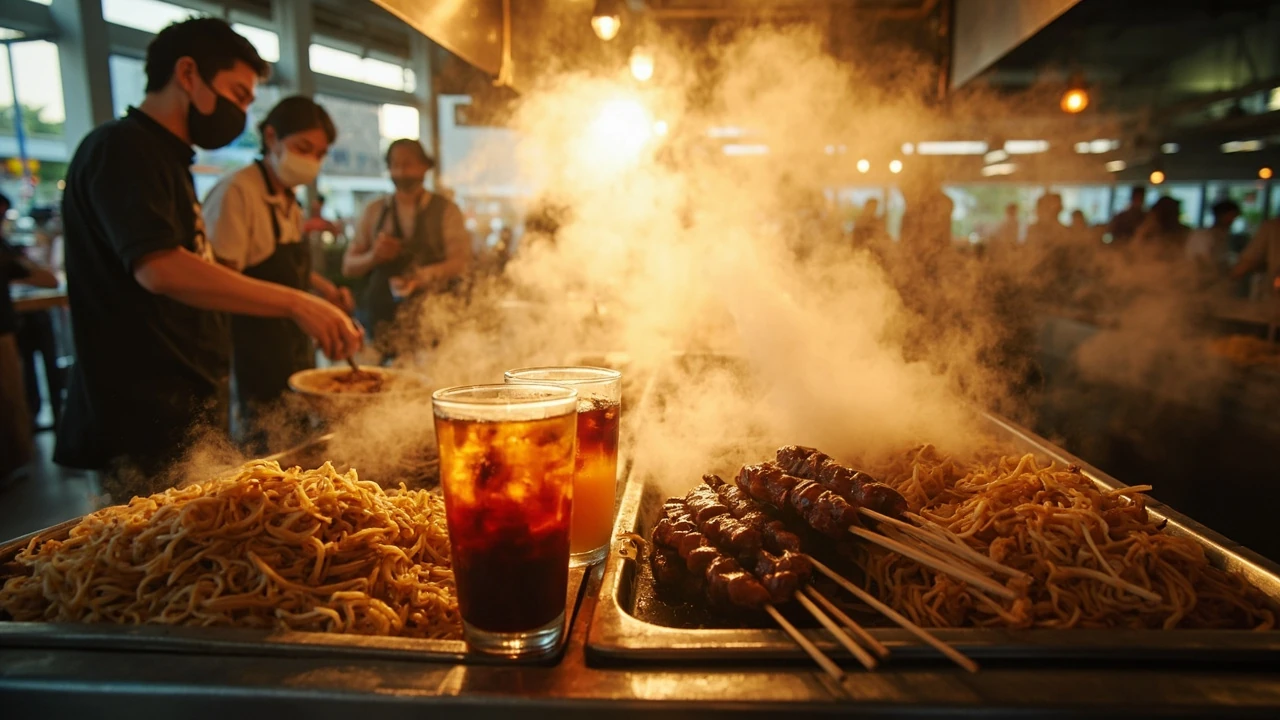
A short queue beside a stainless-steel stall can be the most reassuring sign that Singapore street food is worth stopping for. The vendor works quickly, diners carry small trays, and several dishes arrive within minutes. At first, the choice may seem overwhelming: chicken rice, noodles, satay, curries, dumplings, and breakfast foods all compete for attention.
The key is to treat a hawker centre as a collection of individual kitchens rather than one restaurant with a single menu. Each stall usually specializes in a limited number of dishes, and popular sellers may have separate queues from neighboring vendors. Choosing what to eat becomes easier when you know the defining flavors of the major dishes, identify the right eating areas, and understand the small conventions that keep service moving.
Singapore street food is also more controlled than the word “street” might suggest. Much of the city’s best-known hawker food is sold inside permanent food centers operated with common rules for hygiene, seating, stall numbering, and waste disposal. This setting supports affordability while bringing together vendors whose recipes may come from different Chinese, Malay, Indian, and regional traditions.
For a first visit, plan two or three stalls rather than trying to sample everything. Start with one dish you know, add one unfamiliar specialty, and save room for a small side or drink. The best meals leave space for comparison between textures and seasoning rather than producing a long list of tired stomachs.
How Singapore hawker food differs from other street food
Singapore’s version of street food is closely associated with hawker centres: large food complexes where independent vendors prepare affordable meals in compact open or semi-open kitchens. Diners usually order at the counter, collect the food themselves, find a shared table, and clear their dishes before leaving. That self-service model is practical in a dense city where restaurants occupy expensive ground-floor space.
The food itself is best understood as a meeting of culinary histories. Chinese regional cooking contributes rice dishes, noodles, dumplings, and char siu. Malay influences are visible in dishes such as nasi lemak and roti prata. Indian and southern Indian cooking adds curries, breads, and spice traditions. European, Southeast Asian, and immigrant influences also appear in stalls serving items such as sandwiches, sausages, and Western-style meals alongside the classics.
This variety can resemble the food culture of nearby southern China, but Singaporean hawker cooking should not be treated as a simple extension of one mainland cuisine. Local adaptations, supply chains, serving conventions, and the multicultural setting shape the finished plate. A fried noodle here may reflect Cantonese technique, while a fishball noodle can combine Chinese and Southeast Asian preferences.
That cross-cultural character also distinguishes Singapore from other Asian food capitals. For comparison, Seoul is strongly associated with Korean dishes, barbecue, and specialized urban food districts. Singapore’s hawker centers instead offer many traditions under one roof, making comparison between stalls unusually easy.
| Characteristic | Singapore hawker centers | Typical street-food stand | Temporary market stall |
|---|---|---|---|
| Setting | Permanent food complex with shared seating | Small storefront or curbside setup | Movable setup in a market or event area |
| Ordering | Order at one or more stalls, then collect and dine | Usually order directly from the counter | Varies by vendor and event |
| Menu focus | Often a few specialized dishes per stall | May include a short cooked-food menu | Usually limited to portable items |
| Seating | Shared tables are generally available | Standing or nearby seating | May offer little or no seating |
| Planning | Compare stalls, then order smaller portions | Choose after seeing what is cooking | Follow event schedules and location changes |
The practical advantage of the hawker-center model is choice without a full-service meal. You can sample several specialties, but the system works best when customers order one item at a time rather than trying to negotiate complicated group orders across many counters.
Classic Singapore street food dishes worth trying
Singapore’s most recognizable dishes are a useful starting point, but each one has several variations. A useful strategy is to order the classic preparation first, then adjust later visits according to the specific stall’s strengths.
Chicken rice
Chicken rice combines poached or roasted chicken with seasoned rice and a small collection of condiments. The rice may be lightly oily and fragrant, while the sauces can range from chili to ginger and dark soy. Poached chicken offers a softer, cleaner flavor; roasted chicken brings stronger caramelized notes. Order whichever preparation appears best handled by that particular vendor.
Char kway teow
Char kway teow is a stir-fried flat rice noodle dish commonly associated with dark soy, chili, garlic, and often sliced Chinese sausage or cockles. Some versions are smoky from wok cooking, while others are wetter and more heavily sauced. Noodle texture matters: the best versions combine tender noodle edges with some remaining chew and a small amount of crisp wok residue.
Laksa
Laksa is a richly seasoned noodle soup with regional variations. The two most familiar categories are curry laksa, with a coconut-based broth and robust spice profile, and Peranakan-style laksa, with a darker, more complex broth and distinctive spices. The distinction is not simply mild versus hot. It reflects different culinary histories and cooking methods.
Nasi lemak
Nasi lemak centers on coconut rice accompanied by sambal, salted egg, cucumber, peanuts, and another protein such as fried chicken or fish. It is commonly eaten as breakfast or a simple meal. A properly balanced portion offers contrasting textures: warm rice, crisp accompaniments, a soft egg, and sambal that adds heat without overwhelming everything else.
Satay
Satay consists of skewered, grilled meat served with a peanut sauce, often accompanied by cucumber, onions, and warmed buns. Chicken, beef, and lamb are common choices. Marinades and sauces vary between vendors, so the skewers alone do not determine the final flavor. Peanut sauce may be thick, sweet, spicy, or prepared in a style reminiscent of a particular regional cook.
Roti prata
Roti prata is a flaky flatbread served with curry and sometimes dhal, eggs, or other accompaniments. It can be plain, accompanied by a simple curry, or stuffed. The dough preparation creates layers that separate during cooking. It is portable, filling, and one of the easiest dishes for visitors unfamiliar with the ordering conventions at a hawker stall.
Other dishes that may be worth adding to a sampling plan include popiah, fishball noodles, fried oyster cakes, chee cheong fun, porridge, and chili crab. Availability changes across centers and stalls, and a popular dish may sell out before the lunch peak has ended.
| Dish | Main flavors | Typical texture | Best first-time order |
|---|---|---|---|
| Chicken rice | Savory chicken, fragrant rice, chili, ginger | Tender meat with firm rice | Poached chicken with chili and ginger sauce |
| Char kway teow | Dark soy, chili, garlic, wok aroma | Soft and lightly chewy noodles | Classic version without extra sides |
| Laksa | Spiced broth, coconut or dark savory notes | Soft noodles in a rich soup | Curry laksa for a clear reference point |
| Nasi lemak | Coconut rice, sambal, egg, cucumber, peanuts | Soft rice with crisp and creamy elements | The standard version with fried chicken |
| Satay | Grilled marinade and peanut sauce | Caramelized exterior with tender interior | A small plate with one sauce |
| Roti prata | Flaky bread, curry, savory accompaniments | Layered and crisp outside | Plain roti with curry |
Where to find hawker centers in Singapore
Location matters because each hawker center has a different mix of specialties, crowd patterns, and surrounding attractions. Rather than searching for a single “best” food court, choose centers according to the dishes you want, the area you are visiting, and the amount of time available.
Maxwell Food Centre is a common stop for visitors because of its central location and broad selection. It can become crowded, particularly around popular stalls and during peak meal periods. The variety makes it useful for comparing several types of food in one visit.
Lau Pa Sat offers another busy market-style setting with numerous vendors gathered around its food area. It works well for travelers who want to move between several dishes, although the size of the operation means queues can look intimidating at first.
Chinatown Complex is associated with a wide range of food stalls and has long been an important hawker destination. Like other large centers, it rewards patience and careful attention to what each queue is ordering.
There are also neighborhood centers throughout the island. These may be less convenient for a short sightseeing itinerary, but they often provide a better sense of how Singaporeans eat during ordinary weekdays. A local center can be especially valuable for breakfast dishes, lunch specials, or supper foods that are not as prominent in the best-known visitor stops.
- For a first-time visitor: Choose one large, accessible hawker center and allow time to compare stalls before ordering.
- For repeat visitors: Try a neighborhood center away from the main tourist districts.
- For families: Prioritize seating, nearby restrooms, and dishes that can be shared without complicated ordering.
- For people with dietary restrictions: Visit during off-peak hours and speak directly with the vendor before ordering.
Opening arrangements can differ between centers, individual stalls, and special service days. Check current information for the specific location before relying on a particular meal or breakfast schedule. Saved maps and local listings can show the center, while stall numbering is useful when a specific dish draws a long line.
How to order without joining the wrong queue
Most hawker stalls follow a straightforward process: decide what you want, join the appropriate queue, state the quantity, pay, and keep the receipt if the vendor asks you to collect the food separately. The complexity comes from choosing the right line and understanding when a dish is sold by the piece, by weight, or as a set.
Watch what other diners are receiving before stepping forward. A short line does not always mean faster service. It may belong to a vendor selling a limited number of dishes, while the longer line in front of you could be handling larger orders, credit-card payments, or deliveries. In many centers, cash remains useful, although card and contactless acceptance is increasingly common. Carry a small amount of cash rather than assuming every transaction will be digital.
- Scan the choices first. Walk past the main rows and identify two or three dishes you want to try.
- Check the ordering system. Decide whether each item is sold singly, by weight, or with a fixed set of sides.
- Follow the corresponding queue. Look for posted signs, numbered ticket systems, or the food other customers are collecting.
- State your order clearly. Mention the dish, quantity, and any simple preference the stall is known to accommodate.
- Pay and check the receipt. Keep it if food collection happens from a separate counter.
- Move aside promptly. Do not block the cooking area while adding sauces or opening containers.
Common misunderstandings include ordering by a name without a size, forgetting that some dishes come with rice or noodles, and assuming every stall accepts substitutions. Unless a menu or vendor explicitly offers an option, avoid asking for an extensive set of changes. A simple request such as “no chili” or “less chili” is easier to accommodate than a complete custom meal.
Large groups should divide up rather than bringing every member to one counter. Each person can order a separate dish, or two diners can queue for the same stall while another checks seating. At very busy times, ordering several dishes one at a time may be faster than trying to place a group order at a stall that normally serves individuals.
Etiquette, payment, and practical habits for hawker centers
Hawker centers feel informal, but a few shared habits make the experience smoother for diners and vendors. The most important rule is to keep the eating and queueing areas distinct. People waiting to order should not stand directly in front of the counter, and customers collecting food should move away from the service point before adding condiments.
Before taking a seat, check whether the table is meant for diners or has been reserved for another purpose. At busy centers, diners often share long tables. Cleaning a table promptly after finishing is considerate, but staff or cleaners may handle the area more efficiently if trays are placed on the designated collection point.
Many stalls provide chopsticks, spoons, plastic soup spoons, and takeaway containers. However, carrying a small reusable set can be useful for stalls that expect customers to bring their own utensils. Napkins, hand sanitizer, and wet tissues are also practical because eating with hands is normal for certain foods, especially satay and some breakfast items.
Alcohol availability and rules can vary by center and setting. Do not assume a visible bar sign means every stall sells alcohol or that outside drinks are welcome everywhere. Likewise, check the center’s current guidance before planning a group gathering that depends on an open seating area.
- Bring a small amount of cash while also being ready for contactless payment where offered.
- Follow posted recycling or tray-return arrangements instead of assuming every bin accepts the same materials.
- Keep voices moderate in indoor centers where hard surfaces can make conversations loud.
- Do not photograph workers at close range without their permission.
- Ask before photographing a customer who is the clear subject of a shot.
- Allow vendors to focus on cooking; give clear instructions without turning the order into a negotiation.
Food photography is especially popular in hawker centers, but a good shot does not require blocking the queue or claiming an entire table for a long session. If seats are scarce, take a quick image of the dish and move to another table or eat elsewhere.
How to handle dietary restrictions and allergies
Communicating dietary needs at a hawker center requires more care than doing so in a restaurant with printed allergen information. Ingredients can change, and many dishes are prepared in an open kitchen where several foods are cooked nearby. Vegetarian, vegan, halal, gluten-free, and allergy-sensitive diners should not rely solely on a dish’s popular name.
For halal requirements, look for stalls that display the relevant certification and confirm the question directly when preparing a meal. “No pork” does not necessarily mean a dish is halal. Likewise, a vegetarian label may not account for shrimp paste, fish sauce, egg, dairy, or other animal-derived ingredients commonly used in the region.
People with celiac disease or severe allergies face additional uncertainty because shared preparation surfaces, fryers, and utensils can create cross-contact. A vendor may be able to accommodate a request, but only the vendor can confirm the ingredients and cooking setup. Severe allergy sufferers should consider whether the food environment is appropriate and carry any emergency medication they normally need.
Vegetarians can simplify the order by avoiding complicating side dishes. Plain rice, many vegetable preparations, and certain noodle or bread options may be easier to modify than dishes built around meat stock, dried shrimp, or fermented fish. Ask about seasoning sauces separately when possible.
| Need | Useful questions to ask | Caution |
|---|---|---|
| Vegetarian | Does the dish contain meat stock, fish sauce, shrimp paste, or egg? | A meat-free name does not guarantee vegetarian preparation |
| Vegan | Are the sauces, noodles, and cooking oil free of animal-derived ingredients? | Ask about eggs, dairy, and shared utensils |
| Halal | Is the stall certified, and are the ingredients prepared accordingly? | Do not treat “no pork” as proof of halal status |
| Gluten-free | Are the noodles, bread, sauces, and preparation surfaces suitable? | Cross-contact may occur in a shared kitchen |
| Food allergy | What exactly contains the allergen, and is a separate utensil and cooking area available? | Do not assume a small garnish is the only exposure |
The safest approach is to ask before ordering rather than after the food has been prepared. If a vendor cannot answer clearly, choosing another dish is usually more sensible than relying on an uncertain assumption.
How to judge value and budget for a hawker-center meal
Hawker food is often associated with low prices, but there is no single price for a city meal. The cost depends on the dish, portion, add-ons, drinks, and whether the visitor is eating at the table or taking food away. Avoid quoting a fixed budget as if it applies to every center or every year.
Compare value by looking at the complete meal rather than the headline price of the main item. A rice dish may come with a small side, while noodles may be sold alone or with ingredients that increase the portion. A drink, dessert, and extra chili or sauce can also change the final total.
Popular stalls often serve large portions, which can work well for a relaxed meal but make rapid sampling inefficient. Ordering a smaller portion or splitting a dish lets you compare more stalls without becoming uncomfortably full. Vegetarian dishes and simple breakfast foods may provide better value for travelers with a modest appetite.
Seasonal produce, seafood, and special imported ingredients can affect prices. The way to plan responsibly is to check a recent menu before the visit, carry a card or limited cash as appropriate, and leave room in the budget for a drink or snack without assuming every hawker center accepts the same payment method.
| Budgeting choice | Best for | Tradeoff |
|---|---|---|
| One main dish | A straightforward lunch with limited time | Usually the fastest and easiest option |
| Two shared dishes | Two diners who want to compare specialties | Requires choosing compatible portions |
| Several small portions | A group interested in variety | More queues, more counter space, and more time |
| Breakfast set | Morning visits with a lighter appetite | Availability varies by stall and location |
| Drink and dessert | A longer sit-down break | Adds time and cost beyond the main meal |
Good value also depends on the experience. A slightly higher-priced dish served quickly in a comfortable environment may be more useful than several rushed purchases. Conversely, hawker centers remain one of the most practical places for a filling meal when the goal is a broad selection rather than formal service.
When Singapore’s food festivals fit into a food trip
Seasonal food events can add a different dimension to a Singapore itinerary. The For additional context, Singapore Food Festival is an annual city event organized by the Singapore Tourism Board, with culinary workshops, themed celebrations, competitions, and food-focused programming around local specialties. Its schedule and activities change from year to year, so travelers should consult current official information before building a day around a specific session.
A festival is best treated as an addition to ordinary hawker-center meals, not a replacement. A special event can introduce a chef, preparation method, regional theme, or ingredient that is not easy to find on a regular day. The everyday centers remain more useful for comparing standard dishes such as chicken rice, laksa, and char kway teow.
Check the date, venue, ticketing requirements, and participating venues before going. Some activities may be free, while workshops or reserved experiences may have separate arrangements. Bring comfortable shoes, keep the day’s itinerary flexible, and avoid promising yourself every specialty in one visit.
When the festival falls outside your travel dates, focus on regular hawker centers and neighborhood markets instead. Seasonal menus, temporary stalls, and local promotions can still appear, but they should be verified through current listings rather than assumed to operate on a fixed annual schedule.
A practical one-day Singapore street food plan
A satisfying food day does not require crossing the city for every famous dish. Geography matters because travel between centers can consume more time than the meal itself. Start with the area where you are staying or the neighborhood nearest your first major attraction.
Begin with a smaller meal if breakfast is still active, then choose one accessible hawker center for lunch. At the center, inspect the options before joining a queue. Order one familiar dish and one new dish, but avoid loading your tray with items that require a long walk to compare.
Use the middle of the day for your most important dish. This creates time for a queue without a fixed schedule pressing you to leave immediately afterward. If possible, visit one center in the morning and another during dinner, using public transport or a short taxi ride between them rather than trying to reach several locations on foot.
For a structured day, use this sequence:
- Choose a breakfast option such as kaya toast, noodles, or porridge at a center known for morning service.
- Select one central hawker center for lunch and order two dishes to compare styles.
- Take a break for sightseeing instead of adding another food stop while every dish is still fresh and enjoyable.
- Visit a second neighborhood center in the evening for a dish you missed or a specialty associated with that area.
- Finish with one drink or dessert from a separate stall rather than ordering too many savory dishes.
Keep the day flexible around closures, sold-out dishes, and long queues. If a stall is closed, choose a neighboring vendor with a similar specialty rather than waiting for a specific seller who may not return during your visit.
Before setting out, save the exact center in your map, check current operating information, note any confirmed dietary needs, and carry a payment method accepted by the stalls you expect to visit. Most importantly, leave enough time to eat at the table. Singapore street food is meant to be compared carefully, not merely collected.
Frequently asked questions
What is the best way to try Singapore street food?
Choose a hawker center near your route, inspect several stalls, and order two dishes from different vendors. Start with a classic such as chicken rice or curry laksa, then add a less familiar specialty. Eating at the center is preferable to carrying multiple dishes across the city, where temperatures and sauces can quickly diminish the experience.
Is hawker-center food safe for visitors with dietary restrictions?
It can be, but visitors should communicate their needs before ordering and verify ingredients directly. A dish that appears vegetarian may contain shrimp paste, fish sauce, egg, or other animal-derived ingredients. People with severe allergies should discuss shared equipment and cross-contact with the vendor rather than relying on the name of a dish.
Do I need cash to eat at Singapore hawker centers?
Cash remains useful because not every vendor or transaction method is consistent, although many centers now accept cards or contactless payments. Bring a small amount of cash as a backup and check the payment signs at the stall before ordering. Keep your receipt if food is collected from a separate counter.
How do I know which queue belongs to a specific stall?
Look for stall numbers, posted signs, numbered ticket displays, and the food customers are collecting. If the organization is unclear, watch the queue briefly or ask another diner. Hawker centers can have several adjacent stalls selling similar dishes, so reading the sign is safer than assuming the nearest line is correct.
What should I order at a hawker center if I am a first-time visitor?
Order chicken rice as a familiar reference point, then choose one dish with a clearly different profile, such as curry laksa or char kway teow. If you prefer noodles, try a specialist stall rather than ordering a mixed plate with several unfamiliar components. Small portions make comparisons easier.
Can I bring my own utensils to a hawker center?
Reusable utensils can be useful, and many diners use them, but rules can vary by center. Follow posted guidance and ask staff if you are unsure. Some stalls provide utensils automatically, while others prepare food with disposable or communal tools. Hand sanitizer or wet tissues can also be handy before eating.
Are hawker centers suitable for families and larger groups?
They can be, particularly those with extensive shared seating and accessible layouts. A group should split into smaller ordering parties, choose dishes that are easy to share, and avoid converging on one busy counter. During peak periods, adults may find it easier to order first and save a table, provided seating rules allow it.
What is the best time to visit a hawker center?
Late morning and early evening often offer broad selection, but popular stalls may have long queues or sell out. Breakfast food is more available earlier, while some evening stalls may appear later. Check current information for the center, arrive before the main lunch or dinner rush when possible, and allow extra time if you are ordering a specific dish.
Do I need to visit a food festival to experience Singapore street food?
No. Regular hawker centers are the core of everyday Singaporean street-food dining and provide the broadest way to compare classic dishes. A food festival can add special events, workshops, and themed programming, but current schedules and participation requirements should be checked before the visit.





Leave a Reply