
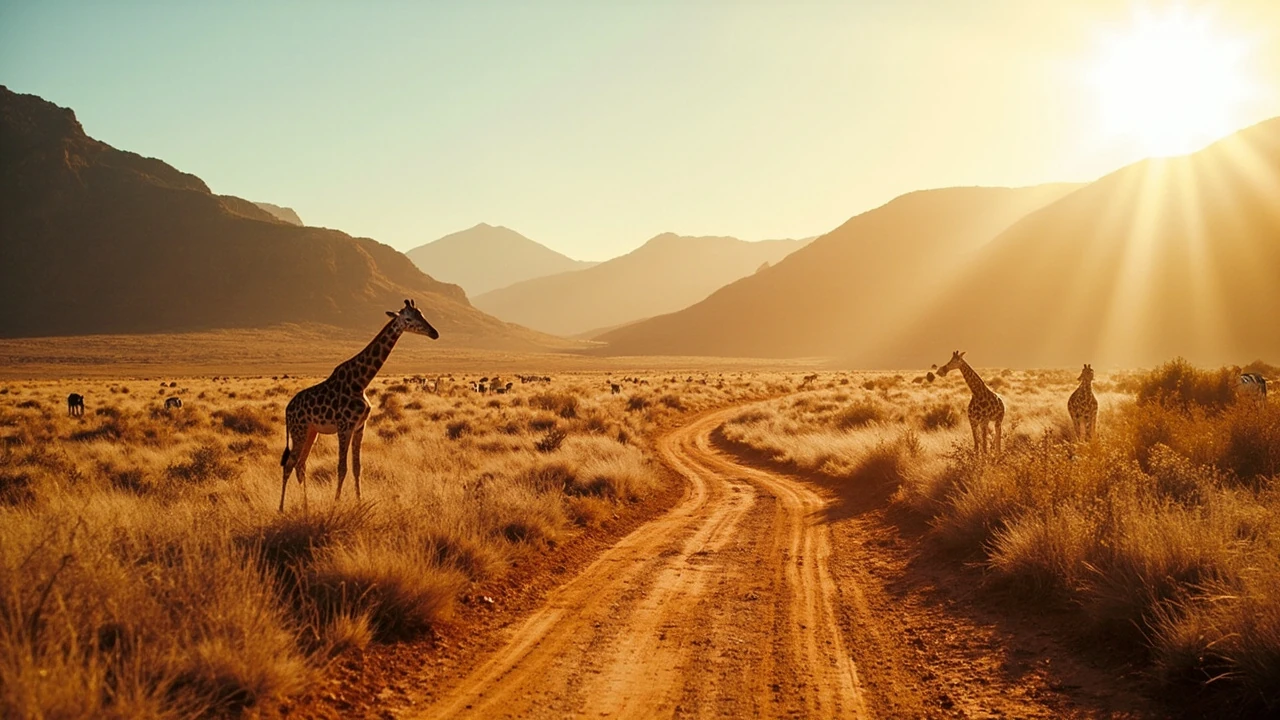
best time to visit south africa
A traveler choosing dates for South Africa can make the right decision by matching the season to the experience, not simply choosing the warmest or driest period. The country stretches from the cool Atlantic coast of the Western Cape to humid subtropical coastline in KwaZulu-Natal, and from the highveld around Johannesburg and Pretoria to reserves in Limpopo, Mpumalanga, and the Northern Cape. Weather, wildlife visibility, sea conditions, flower seasons, and crowd levels vary considerably across that map.
For most first-time visitors, the period from late May through September offers a strong balance of dry weather, easier safari travel, and abundant wildlife activity. Cape Town has a mild, nearly rainless summer during that window, while major private reserves generally become easier to reach as dirt roads dry. Summer, from roughly December through February, adds the warmest coastal weather, lively festivals, and long days, but it also brings heavier crowds, peak accommodation demand, and a greater chance of rain in safari areas.
The right answer depends on what you want to do. Flower enthusiasts may favor the spring months, whale watchers may plan around the southern right whale season, hikers may seek the cooler dry months, and beach travelers may prefer the subtropical coast around Durban. The table below offers a quick comparison, while the sections that follow explain the regional and seasonal tradeoffs in more detail.
| Travel priority | Most favorable period | Why it works | Main trade-off |
|---|---|---|---|
| Safari and wildlife | May to September | Dry conditions improve access, animals gather around water, and vegetation is less dense. | Cool mornings, cold nights, and higher demand for prime safari camps. |
| Cape Town and the Winelands | October to March | Longer days, warm temperatures, and a generally dry summer in the Western Cape. | Peak crowds and higher prices around holidays and festivals. |
| Whale watching | July to November | Southern right whales are commonly seen from coastal viewpoints during the main season. | Whale activity varies by year, weather, and location. |
| Flowers and spring scenery | August to October | Wildflowers begin appearing in the Western Cape and northern reserves as temperatures rise. | Some resorts and tours begin later in the season. |
| Beach holidays | November to March | Warm conditions suit Durban, the KwaZulu-Natal coast, and sheltered beaches. | Summer rain, humidity, and peak-season prices near the coast. |
| Hiking and scenery | September to February | Longer days and generally comfortable temperatures make outdoor travel easier. | Fire risk, intense afternoon sun, and occasional summer storms. |
South Africa is geographically large and unusually varied. The country has nine provinces, extensive coastline along both the Atlantic and Indian oceans, and a range of habitats that includes savanna, desert, forest, grassland, and coastal fynbos. Its three largest urban centers—Johannesburg, Cape Town, and Durban—also experience different seasons. A useful overview of the country’s geography and regions can help explain why a single recommended month cannot suit every itinerary.
Choosing the best season for the region
The southern hemisphere reverses the familiar northern-hemisphere pattern. December, January, and February are summer; March and April are autumn; May and June are the beginning of winter; July and August are the coldest months in many inland areas; and September, October, and November bring spring. Even within the country, however, “summer” does not mean the same thing everywhere.
Cape Town and much of the Western Cape have a Mediterranean climate, with dry summers and wetter winters. Summers are typically warm, bright, and suited to beaches, vineyards, mountain roads, and long outdoor days. Winter is cooler and wetter but remains mild by many inland standards. The Western Cape can also experience strong wind, known locally as the “Cape Doctor,” when weather systems move through the region.
Johannesburg, Pretoria, and the broader Highveld have a more continental climate. Summers can be warm with thunderstorms in the afternoon, while winter brings cool days, chilly mornings, and cold evenings after sunset. Bloemfontein and the central grasslands can be colder still, especially overnight. If you plan to stay in a city without a heated pool or thick jacket, account for the indoor temperature as well as the daytime forecast.
The Mpumalanga lowveld and Limpopo are warmer, with summer humidity and thunderstorms becoming more common from November onward. In winter, daytime temperatures are usually pleasant for outdoor activity, although mornings around open reserves can feel cold. Northern Cape conditions are drier and hotter than many travelers expect, while the KwaZulu-Natal coast has a humid subtropical character, with warm, wetter summers and year-round coastal activity.
| Region | Travel season | Conditions to expect | Activities that benefit most |
|---|---|---|---|
| Cape Town and Western Cape | October to March | Generally dry, warm summers; mild, wetter winters with occasional strong wind. | Beaches, Winelands, Table Mountain, food tours, coastal drives. |
| Gauteng and Highveld | September to April | Warm summers with possible afternoon storms; dry, cool winters. | City culture, history, gardens, day trips, indoor attractions. |
| Safari country | May to September | Dry air, clear visibility, cool mornings, cold nights, limited rain. | Classic game drives, walking safaris, stargazing. |
| Durban and KwaZulu-Natal coast | November to March | Warm and humid in summer, with a greater chance of heavy rain. | Beaches, surfing, coastal drives, year-round city visits. |
| Northern Cape | May to September for cooler travel | Hot, dry conditions; large day-night temperature differences. | Desert landscapes, star tourism, slow regional road trips. |
Travelers sometimes assume that one coastal destination is a useful comparison for another. That method can fail when climate patterns differ, as this account of Southern China’s distinct regional personalities illustrates. South Africa works in a similar way: Cape Town’s dry summer does not predict KwaZulu-Natal’s rainy one, and a cold Highveld morning says little about the temperature on a Durban beach.
A month-by-month guide to South African travel
January and February are the principal summer holidays. Cape Town usually offers its warmest and driest stretch, with long daylight hours and a busy calendar. It is an excellent time for coastal scenery, swimming, vineyard visits, and outdoor restaurants. The disadvantage is demand: flights, rental cars, central hotels, and popular tours can be difficult to book well ahead. Southern African safari parks are also active during this period. Animals may be dispersed rather than concentrated around waterholes, and afternoon thunderstorms can interrupt drives.
March keeps much of the summer warmth while beginning to reduce the peak-holiday pressure. In the Western Cape, conditions are often particularly pleasant, although the first autumn rains become more likely as the month progresses. March and April can be an attractive compromise for travelers who want outdoor access without the busiest summer traffic. Flower displays are generally not yet at their most widespread, so the spring months offer a better fit for botanical priorities.
May marks the transition into the dry season. The landscape begins to turn more golden, water becomes scarcer, and the chances of a washout on a gravel safari road fall. Cape Town enters its wet season, but many travelers are more interested in wildflowers than rain. This is also a period when lodges begin shifting toward the high season and some may close or reduce operations temporarily. Confirm the operating dates of the specific camp or activity you want before building an itinerary around it.
June brings cooler, wetter conditions to the Western Cape and colder mornings to the interior. It is a strong choice for the Kalahari, desert parks, and reserves where dry conditions matter. Some northern camps may still be operating on a limited-season schedule. Cape Town attractions usually remain open, but a stormy afternoon can make outdoor walks less appealing.
July and August are prime months for a conventional safari trip. Animals are more likely to gather around water, the bush is less dense, and dry roads are easier to navigate. Whale watching around the Cape also enters its main season. These months also bring chilly mornings in the Highveld and can feel cold on an open safari vehicle before the sun rises. Layered clothing is more useful than a single heavy coat.
September combines the tail end of the dry safari season with the beginning of spring. Wildflowers begin to appear in parts of the Western Cape, temperatures rise, and many northern reserves become more comfortable. Cape Town can still receive winter rain, but longer days make sightseeing increasingly pleasant. This is often a good compromise month for a trip that combines a city stay with a safari.
October is one of the strongest all-around choices. Spring flowers are widespread, the weather is warming, and the summer rush has not yet reached its peak. It suits Cape Town, the Winelands, Garden Route stops, and the beginning of prime safari season in many northern and northeastern reserves. Conditions remain variable, and winter-rain regions may still have wet days.
November combines spring scenery with early summer heat. It works well for the Western Cape, KwaZulu-Natal, and many safari destinations before the heaviest summer crowds and storms. Flowers may still be visible early in the month, but conditions become less predictable later. Whale watching toward Hermanus and other southern coastal areas may continue, though sightings are not guaranteed.
| Month | Best regional fit | Seasonal advantage | Important limitation |
|---|---|---|---|
| January–February | Cape Town, beaches, family holidays | Warm, dry Western Cape weather and long days | Peak crowds, high prices, safari disruption from storms |
| March–April | Cape Town, Garden Route, transitional safari trips | Warmth with easing summer demand | Autumn rain becomes more likely in the Western Cape |
| May | Wildlife reserves, Northern Cape | Dry season begins; good access and visibility | Some seasonal camps have reduced schedules |
| June–August | Classic safaris, whale watching, desert travel | Dry safari conditions and active whale season | Cold mornings, wet Cape Town weather, limited seasonal services |
| September | Spring touring and safari combinations | Flowers begin, temperatures rise, winter crowds thin | Wildlife concentrations may not be at dry-season peak |
| October–November | Cape Town, Winelands, safari, coastal touring | Spring color and broadly favorable outdoor conditions | Increasing heat and thunderstorm risk late in November |
When to go for safari and wildlife viewing
For most travelers whose central goal is a South African safari, the dry season between May and September is the easiest period to plan. Dry vegetation makes it easier to see animals, and wildlife is more likely to concentrate around permanent water sources. The visibility can be excellent, while the cooler temperatures mean open vehicles are comfortable for much of the day. The trade-offs are cold mornings, chilly nights, and strong demand for well-known camps and guides.
The dry season is not uniformly strong across the country. Northern reserves such as those in Limpopo and Mpumalanga usually reach good viewing conditions by late May or June. Some Kalahari camps operate seasonally and may open later. If your priority is a specific species, movement, or remote region, check how the local landscape responds to rainfall rather than assuming the entire country follows one calendar.
Summer safaris have their own appeal. Vegetation is greener, birdlife can be varied, and camps may be more relaxed after the busy holidays. Young animals may be visible, although that does not guarantee a sighting. Roads can become muddy, some routes close temporarily, and storms may shift animal activity away from the usual schedule. A light rain shower may pass quickly; a heavier storm can interrupt an entire morning.
Walking safaris and other conservation activities are best booked with the operator that runs them. Conditions differ between a dry northern reserve and a coastal area such as the Garden Route. Build in recovery time, follow the guide’s instructions, and avoid treating wild animals as guaranteed photo subjects. A responsible operator will explain the local rules, terrain, and realistic sighting conditions before the activity begins.
- For the easiest classic safari: May through September, especially June to August.
- For warm weather and green landscapes: January through March, with flexible drive times.
- For birding and spring vegetation: September and October in suitable northern habitats.
- For a quieter shoulder period: March, April, October, or early November, subject to camp operating schedules.
- For remote desert wildlife: Confirm the exact seasonal dates with the reserve rather than relying on a national seasonal label.
Remember that the best sightings are not guaranteed by any month. A skilled guide, a sensible route, realistic expectations, and patience matter more than a particular date. If elephants, wild dogs, rhinos, or a specific predator drive your itinerary, reserve the appropriate camps and allow enough nights for a chance of meaningful sightings.
Cape Town weather, flowers, and the best city break
Cape Town has a climate that rewards travelers who plan around the southern-hemisphere seasons. December through March is warm and generally dry, making it the easiest time for beaches, mountain scenery, outdoor meals, and long drives along the coast. The city is busy during school holidays and the wider December holiday period, but the shoulder part of January and February can be more manageable if flights are available.
April retains summer warmth while offering a useful transition. September and October are particularly appealing for travelers who want mild conditions, spring flowers, and fewer summer crowds. Winter from June to August remains mild in the city center but can bring substantial rain, wind, and a dramatic change in atmosphere. The winter months can be rewarding for whale watching and green landscapes, provided you pack a waterproof jacket and keep outdoor plans flexible.
The Cape Floral Kingdom includes fynbos, a distinctive shrubland ecosystem, and wildflowers provide a strong seasonal reason to travel. Flowering dates shift with rainfall and local conditions, so no calendar can guarantee peak color throughout the region. September and October are generally the principal spring window, but flowers may appear earlier in some areas and continue later at higher elevations. If a botanical trip is the purpose of the visit, prioritize botanical gardens, Kirstenbosch, and local wildflower routes over a rigid nationwide itinerary.
Cape Town is also a good base for day trips, but weather can change quickly on exposed roads. The Cape Peninsula is close enough for a full-day outing, while Stellenbosch, Franschhoek, Paarl, and Hermanus may deserve overnight stays. Consider where each leg leaves you before committing to a packed schedule. A scenic drive sounds simple until a windstorm, traffic delay, or long return journey consumes the day.
- Choose May through August if whale watching and the dry interior matter more than Cape Town beach weather.
- Choose September and October for spring flowers, comfortable sightseeing, and a balance between seasons.
- Choose November through March for the warmest, driest coastal conditions and the longest daylight hours.
- Choose April for a compromise with fewer peak-summer crowds, while keeping an umbrella nearby.
- Check the dates of major local events before booking because festivals can sharply affect prices and availability.
Whale watching, beaches, and the Garden Route
Whale watchers usually think of the southern Cape coast between roughly July and November, particularly the area around Hermanus, where southern right whales can be observed from shore. Whale presence is not guaranteed, and operators cannot control weather, currents, or animal movement. If seeing whales is essential, build flexibility into the itinerary and consider more than one coastal base. The experience also varies by year, so no calendar can promise a sighting.
Summer is the better beach season for the Atlantic coast around Cape Town and for the warmer beaches near Durban. The Cape’s summer water can be cold because of the Benguela Current, even when air temperatures are high. A warm day at the beach does not always mean a long, comfortable swim. Along the Indian Ocean side, summer brings warmer water but also humidity, heavier rain, and more dramatic surf conditions. Local conditions matter more than the national season label.
The Garden Route is a scenic drive rather than a single attraction with one ideal date. Spring brings color to some gardens and a pleasant balance for stops along the coast. Summer is warm and busy, with increased demand around holiday hubs. Autumn can be mild before heavier rain affects the region, while winter is cool, wet, and quieter. Driving distances are longer than they appear on a map, and coastal fog, wind, or heavy rain can reduce visibility.
Rather than treating the Garden Route as a sprint between major cities, decide what you want from it. Whale watching favors the southern Cape season. Beaches and warm coastal weather favor summer. Gardens and quieter roads often align with spring. Scenic drives are possible year-round, but weather becomes part of the experience. Allow overnight stops so one delayed day does not force you to drive through darkness or skip a place entirely.
| Coastal activity | Strongest general window | Regional focus | Planning note |
|---|---|---|---|
| Southern right whale watching | July to November | Hermanus and the southern Cape coast | Sightings depend on whale movement and sea conditions. |
| Warm Cape Town beach days | December to March | Cape Town and nearby Atlantic beaches | Water may remain cold despite warm air. |
| Warm swimming and beach holidays | November to March | Durban and KwaZulu-Natal coast | Expect humidity, summer rain, and strong surf. |
| Garden Route scenery | September to April | Garden Route corridor | Allow multiple days and check coastal forecasts. |
| Quiet coastal touring | May and September | Selected Western Cape and Eastern Cape routes | Winter-rain areas can be wet even in the shoulder season. |
How holidays, crowds, and prices change the trip
Seasonal demand can matter as much as weather. Cape Town and the Western Cape are especially busy during the December school holidays, Easter, and major events. Coastal accommodation reaches its highest prices during the summer break, while safari camps fill quickly during the June-to-September dry season. A trip that combines both can encounter two separate peaks in different parts of the calendar.
Choosing early January, late February, or April can soften the summer rush in popular coastal areas. September and early November can offer a better balance for Cape Town and safari travel, although availability may be narrower in smaller camps and during major conferences. The shoulder periods are not guaranteed to be cheaper at every property, but they can provide more flexibility in room type, transfer timing, and daily activity selection.
School calendars differ across South Africa’s provinces and may not align with those of North American or European travelers. Public holidays can also affect transportation, shops, and attractions. Check the dates of the specific holidays that overlap with your itinerary, especially if the trip depends on a long-distance road transfer, ferry, guided activity, or a multi-day safari pickup.
- Book first for: peak Cape Town dates, December holidays, Easter, popular safari camps, and any fixed international flights or cruise connections.
- Allow flexibility for: weather-dependent coastal trips, remote lodges, and itineraries combining cities with wilderness areas.
- Expect higher demand for: good-value rooms, guided wildlife drives, Winelands tours, and transfers during holiday periods.
- Watch shoulder-season trade-offs: some seasonal camps or tourism services may operate on limited schedules even if major hotels remain open.
- Compare total journey time: a cheaper flight may require an overnight arrival, adding a hotel night and reducing time at the destination.
Budget should also be evaluated in rand, but travelers should not assume that a cheaper daily rate automatically produces a cheaper trip. A well-positioned lodge, a guided safari, or a short internal flight can replace several long road transfers. For some itineraries, paying for fewer destinations creates a better trip because the group spends more time where it chose to be.
Building the right itinerary for your interests
A clear priority makes the timing decision much easier. If your goal is a first introduction to South Africa, a trip that includes Cape Town, a short safari in a major reserve, and one scenic inland or coastal route offers more variety than trying to cover every province. Choose a safari period from May to September if wildlife is the priority, or October if spring scenery and moderate weather are equally important.
For a food and wine trip, spring and early summer provide comfortable vineyard visits, while Cape Town’s restaurants are lively throughout the warmer months. Harvest activity is concentrated in the Western Cape’s warmer growing season, but exact picking dates and access vary by producer. If you want to pair wine country with a safari, an October itinerary can place you near the end of the dry season and in the beginning of spring without taking the deepest summer crowds.
Hikers can travel outside the hottest period, but exposed routes require more caution in summer. Heat, thunderstorms, fire closures, and rapidly changing light can affect safety. September through February offers longer days, while June through August can be dry and clear but cold. Mountain routes also differ dramatically from coastal walks, so follow official access information and local guidance rather than relying on general travel advice.
Family travelers should think about transfer length, heat tolerance, and the rhythm of safari days rather than selecting a month from a generic list. Winter safaris can be excellent for older children and adults who prefer cooler daytime conditions, while summer suits families who want pools, beaches, and outdoor entertainment. Cape Town in December is lively but crowded; April and October often provide a more balanced combination.
Solo travelers may favor the southern Cape’s transport connections and the broad range of activities available in Cape Town. A driver-guide safari can be an efficient way to reach wildlife areas without managing logistics, while a self-drive trip offers flexibility but requires familiarity with long distances, mixed road conditions, and changing weather. Avoid turning a compact map into an unrealistic estimate. Distances in South Africa are measured in real travel time, not just kilometers.
Use this checklist when narrowing the dates:
- Name the one experience you would regret missing.
- Choose the regions required for that experience rather than the whole country.
- Compare weather, wildlife, marine, and seasonal opening factors for those regions.
- Check national holidays, local school breaks, and major events.
- Verify whether every camp, lodge, and guided activity operates during your dates.
- Leave spare days for weather, long drives, and itinerary recovery.
- Confirm current entry, health, and road information with official sources before departure.
This decision framework is similar to the one used in a guide to the best time to visit Portland for different activities: there is no universally perfect season, only a better match between timing and priorities. South Africa rewards that specificity because the range of climates and activities is unusually broad.
Frequently asked questions
What is the best time to visit South Africa for a first trip?
May through September is the most straightforward choice for a first trip that includes both cities and a safari. It combines dry safari conditions with mild Cape Town weather and active whale-watching seasons. October is an excellent alternative when spring flowers, fewer peak-season crowds, and comfortable sightseeing matter more than the deepest dry-season wildlife concentrations.
What is the best month for a safari in South Africa?
June, July, and August generally offer the classic safari experience: thin vegetation, dry roads, and animals more likely to gather around water. May and September offer softer conditions at the beginning and end of the dry season. The best exact month depends on the reserve, because seasonal camp schedules and animal movements differ by region.
When is the best time to visit Cape Town?
October through March is best for warm, generally dry coastal conditions, long days, and beach weather. September and April are comfortable alternatives with fewer summer crowds. June to August brings cooler and wetter weather but also supports the main southern right whale-watching season.
What is the best time to visit South Africa for whale watching?
The principal whale-watching season is generally July through November, with Hermanus and the southern Cape coast especially popular. Sightings cannot be guaranteed because whales move according to feeding, weather, and ocean conditions. Build several flexible days into the itinerary and consider coastal forecasts before each outing.
When are the wildflowers at their best?
September and October are the main spring months for wildflowers in the Western Cape and other suitable regions. Rainfall timing and local elevation can shift blooms earlier or later, so no single date produces identical results throughout the country. Botanical gardens can provide highlights outside the peak of natural flowering.
Is summer a good time to visit South Africa?
Summer is excellent for Cape Town, beaches, long daylight hours, and lively coastal towns. It also creates the busiest holiday period around Christmas and New Year. Safari travel can be affected by heat, humidity, and thunderstorms, while animals may be more dispersed than during the dry season.
Can I visit South Africa in winter?
Yes. Winter is popular for safari travel because conditions are dry and wildlife viewing is often easier. Cape Town remains mild but can be wet and windy, and interior regions can have cold mornings and nights. Coastal roads may be affected by fog and heavy rain, so avoid schedules that leave no margin for weather delays.
What is the best time for a Garden Route road trip?
September through April provides the warmest and most flexible weather for a road trip, with spring offering flowers and autumn easing into a quieter period. Winter is wetter and cooler but can be peaceful. The route deserves several days rather than a rushed drive, and the forecast should be checked before each coastal section.
How far in advance should I book South Africa travel?
Book international flights and high-demand accommodation early for the December holidays, Easter, and peak safari months. Smaller lodges and remote camps can have limited inventory even outside the busiest period. Shoulder-season trips usually offer more flexibility, but they still require advance planning when a particular camp, guide, or guided activity is essential to the itinerary.
Should I choose Cape Town or a safari reserve for my first visit?
Choose Cape Town for restaurants, harbor scenery, beaches, history, and easy access to the Winelands. Choose a safari reserve if seeing wildlife in a natural landscape is the central goal. Many first-time visitors do both by spending several days in Cape Town and adding one or two nights on a safari rather than trying to rush between distant regions.
Plan the season around one unforgettable experience
The best time to visit South Africa is not a single month or a universal weather window. It is the period that fits the region and the experience you value most. Choose the dry winter months for classic wildlife viewing, October for spring flowers and broad sightseeing, or summer for the warmest coastal weather. Confirm seasonal camp operations, watch the holiday calendar, and leave room for the country’s distance and weather before you book.


Leave a Reply